
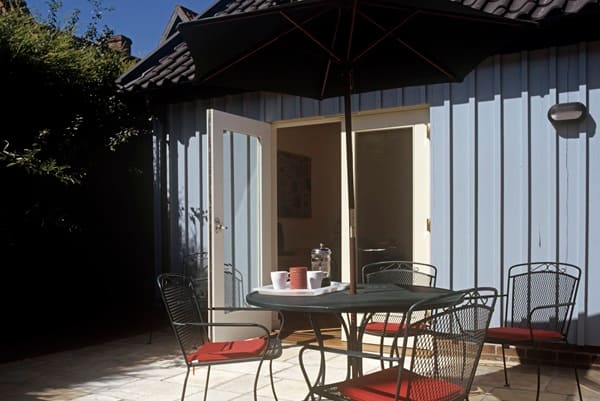
With homeowners looking for practical ways to create extra space, garden rooms have become an increasingly attractive alternative to a traditional home extension or loft conversion. But beyond creating more usable space, how much value does a garden room add to a property?
The short answer is that estimates commonly suggest a high quality garden room could increase property value by around 5–15%, although the actual figure depends heavily on the existing property, local market and quality of the building. For homeowners considering UK garden rooms, the potential return is therefore only one part of the equation. A well-designed room can also provide valuable additional space for working, exercising or relaxing long before the property is sold.
How much value can a garden room add?
There is no universal figure for how much value a garden room will add to your home. Estimates often place the potential increase at between 5% and 15%, with some suggesting a garden room could add around £10,000 to £30,000 to property value.
However, these figures should be treated as broad estimates rather than guarantees.
Estate agents and potential buyers will consider the garden room alongside the property as a whole. Its size, intended use, build quality and impact on the remaining outdoor space can all affect its perceived value.
A fully insulated garden room with electricity, natural light and a high-quality finish is likely to be viewed differently from a basic shed or summer house. The former effectively creates an additional functional space that can be used throughout the year.
Location matters too. Property values and buyer expectations vary significantly across the UK, meaning the same garden building may have a different impact in different local markets.
Why can garden rooms increase property value?
The biggest advantage is straightforward: they create additional usable space without requiring homeowners to significantly alter the main house.
For many buyers, square footage and flexibility are important considerations. A garden room can provide a dedicated space that is separate from the rest of the house while remaining only a few steps from it.
This could include a:
- Garden office
- Home gym
- Hobby or creative studio
- Entertainment room
- Guest room, subject to the relevant regulations
- Additional living space
This versatility can make a property attractive to a wider range of potential buyers.
Modern buyers are not necessarily looking for exactly the same things as buyers were a decade ago. Remote working, flexible working and changing lifestyles have made dedicated spaces outside the main living areas increasingly important.
Does a garden office add value?
A garden office can be particularly attractive because it solves one of the practical problems associated with working from home.
Instead of turning a bedroom, dining room or corner of the living room into an office, homeowners have a dedicated space away from everyday household distractions.
A well-designed garden office with large windows, insulation, heating, electricity and reliable connectivity can also offer year-round use.
Some estimates suggest a dedicated garden office can have a significant positive effect on property value. Again, there is no guaranteed percentage. Its value will depend on the quality of the office and demand from buyers in the local property market.
Even where it does not directly increase the eventual sale price by the full cost of construction, it may make the home stand out to more buyers.
Build quality makes a difference
Not all garden rooms are equal.
A cheap garden building that requires significant maintenance is unlikely to have the same effect on property value as a permanent, fully insulated room constructed using high quality materials.
Features that can influence its appeal include insulation, foundations, roofing, doors, large windows, electrical installations and the quality of the internal finish.
Aesthetic appeal matters as well.
Ideally, the garden room should complement both the house and landscaped garden rather than looking like an afterthought. Thoughtful positioning can also help maintain a balance between the new room and the remaining outside space.
This is particularly important with larger structures. Building the biggest possible garden room is not automatically the best option. If it consumes too much of the garden, the loss of outdoor space could reduce its appeal to some buyers.
Garden room vs home extension
Garden rooms can also be attractive because they offer another way of creating additional space without undertaking a full extension.
A traditional single-storey home extension can add substantial floor space and may increase property value considerably, but it can also involve greater costs, longer construction periods and more disruption.
Loft conversions can offer similar benefits but frequently represent a significant investment, with costs of £50,000 or more depending on the property and specification.
Garden rooms can range from around £10,000 for relatively simple buildings to £50,000 or more for large, bespoke designs with premium specifications.
For some homeowners, this makes adding a garden room a more cost effective way of gaining functional space.
The return on investment should not be measured solely by the eventual selling price either. If the homeowner uses the room as an office, gym or additional living space for several years, there is a practical value attached to that use.
Do garden rooms need planning permission?
Planning permission can also affect the value and saleability of a garden room.
Many garden rooms can be constructed under permitted development rights, provided they meet the relevant requirements. However, permitted development is subject to limitations concerning factors such as the building’s height, position and the amount of land covered by additional buildings.
Different rules can also apply to listed buildings, designated land and properties where permitted development rights have previously been restricted.
The intended use matters too. A garden office used incidentally to the main house is different from creating separate residential accommodation.
Building regulations may also apply depending on factors such as the building’s size, location, construction and intended use.
Homeowners should therefore establish the requirements that apply to their particular project rather than assuming every garden room is exempt.
Having the appropriate permissions and documentation available can also make matters considerably simpler when the property is eventually sold.
What do buyers look for in a garden room?
Potential buyers are likely to focus on usability.
A garden room that looks attractive in summer but becomes cold and uncomfortable during winter has limited functionality. A properly insulated garden room designed for year-round use offers considerably greater flexibility.
Natural light is another important factor. Large windows and glazed doors can make a relatively compact room feel bright and spacious while maintaining a connection with the garden.
Buyers may also value a room that does not have one extremely specific purpose.
For example, a space currently used as a home gym could later become an office, studio or entertainment room without major alterations. This flexibility can help the room appeal to more buyers.
Is adding a garden room a good investment?
A garden room should not be viewed as a guaranteed way to make money from a property.
The potential increase in property value depends on the home, garden, local market, build quality and what buyers are willing to pay at the time of sale.
However, a high quality garden room has an advantage that purely cosmetic home improvements do not always provide: it creates genuinely usable additional space.
Homeowners can benefit from that space immediately while potentially making their property more appealing when they eventually decide to sell.
For households needing a garden office, home gym or flexible extra living space, that combination of everyday usefulness and potential added value can make a garden room a compelling long-term investment.
Final thoughts
So, how much value does a garden room add?
Figures of around 5–15% are frequently quoted, with estimates of £10,000 to £30,000 also common, but homeowners should not treat either as a guaranteed return.
The biggest factors are quality, usability, location and how successfully the room fits into the existing property and garden.
A well-designed, fully insulated garden room with plenty of natural light and year-round functionality can provide something increasingly important to modern buyers: extra space without sacrificing rooms inside the main house.
Whether it becomes an office, gym, studio or additional living area, the strongest garden rooms add more than square footage. They create a flexible space that homeowners can use now and future buyers can adapt to their own needs.


Leave a Comment