
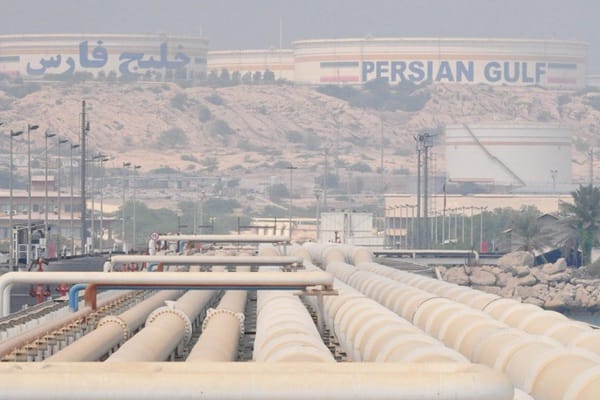
Oil prices have climbed back above $107 a barrel as threats to shipping through the Strait of Hormuz and Bab el-Mandeb revive concerns over global energy supplies and the inflationary consequences for major economies.
The latest energy shock comes as bond markets are already pricing in pressure for interest rates to remain higher for longer.
UK 10-year gilt yields remain elevated, while the equivalent US Treasury yield has pushed above the psychologically important 5 per cent threshold.
For the Bank of England, the combination presents an increasingly difficult policy trade-off.
A renewed rise in energy prices risks feeding directly into consumer inflation just as evidence of a slowing UK economy and labour market points towards weaker underlying demand.
Payrolled employment has fallen by 145,000 over the past year, while the number of vacancies has declined to 702,000, according to the latest figures. Vacancies are now at their lowest level outside the pandemic period since 2014, highlighting the deterioration in employers’ demand for labour.
At the same time, average pay growth has remained comparatively strong at 3.9 per cent, partly reflecting higher public sector pay awards and the timing of their implementation.
That figure carries particular significance for government finances because it is one of the measures used to determine the annual increase in the state pension under the triple lock. The latest wage data could therefore reignite debate over the sustainability of the policy as ministers confront wider fiscal pressures.
The conflicting signals leave the UK economy vulnerable to a renewed bout of stagflation fears: inflationary pressure is being reinforced by an external energy shock while employment and business demand are losing momentum.
For the Bank, the dilemma is becoming more acute. Cutting rates too quickly could risk allowing a fresh energy-driven increase in inflation to become embedded in wage and price expectations. Keeping monetary policy restrictive for longer, however, risks placing additional pressure on an already weakening labour market.
The rise in oil prices also threatens to transmit inflation through transport, manufacturing and household energy costs, while higher government bond yields increase borrowing costs across the economy and further constrain fiscal policy.
The result is an increasingly uncomfortable backdrop for policymakers: weaker employment, persistent wage pressures, elevated borrowing costs and a geopolitical energy shock are arriving simultaneously.
Rather than the straightforward disinflationary environment needed to ease monetary policy, the UK is once again facing the more difficult prospect of slowing growth alongside stubborn inflation.


Leave a Comment