
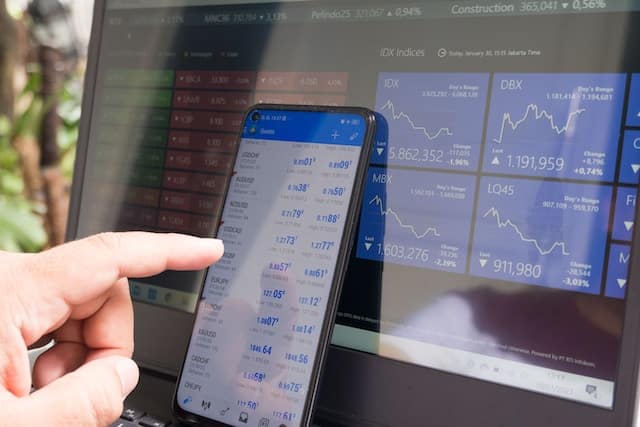
London has always been the heart of global currency trading, but things are changing fast. More traders, from beginners to professionals, now use mobile forex apps to manage their trades and analyse markets. As prices swing faster and working habits evolve, these tools are helping traders stay connected and in control wherever they are. Independent reviews of the leading forex apps in the UK show how mobile platforms have become essential for both accessibility and performance.
The appeal of flexibility in an unpredictable world
The foreign exchange (forex) market moves more than $7 trillion every day. It runs 24 hours a day across time zones. London traders once relied on big screens and desktop setups. Now they use phones to react quickly to news, rate changes, or political events.
Modern apps combine live prices, charts, and trading tools in one place. Traders can adjust their positions on the go, in a meeting, on a train, or at home. As the world stays unpredictable, from inflation to global conflicts, being able to act fast has become essential.
Regulation and trust matter most
Not all trading apps are safe. In the UK, brokers regulated by the Financial Conduct Authority (FCA) must keep client funds separate, comply with strict regulatory rules, and offer complaint support. This gives traders confidence that their money and data are secure.
Unregulated brokers, often based overseas, might offer huge bonuses or high leverage but come with serious risks. FCA-regulated platforms are required to offer fair pricing and transparent execution. Independent reviews of the leading forex apps in the UK help traders choose platforms that combine safety with ease of use.
How technology changed trading
A decade ago, mobile trading was basic. Traders could only check charts or watch prices. Today, apps are as powerful as desktop platforms and keep improving as brokers respond to shifting markets. Insights on forex broker innovation show that technology now focuses on better user experience, automation, and advanced analytics.
Modern apps now include:
- Real-time analytics: Custom charts, alerts, and market data for quick decisions.
- Social and copy trading: Follow or mirror experienced traders.
- AI tools: Detect market trends or sudden price changes.
- Education: Tutorials, videos, and demo accounts for safe practice.
This combination of speed, insight, and usability has made mobile apps an essential part of modern trading in London’s financial world.
Managing risk on the go
Forex trading uses leverage, which means borrowing money to make bigger trades. Even small leverage, like 1:30 (the FCA limit for UK retail traders), can lead to big gains or losses. Mobile apps let traders monitor positions in real time and react quickly to market movements.
Most apps include tools that help traders stay safe:
- Stop-loss and take-profit orders to close trades at set prices.
- Margin alerts to warn when balance is too low.
- Portfolio overviews to show total exposure by currency or asset.
These features help traders avoid common mistakes, such as leaving trades open during major news events. Constant access also builds discipline.
Learning and community
Education is another big reason for the shift to mobile trading. Apps that once offered short tutorials now include live webinars, practice simulators, and professional-level lessons.
Many apps also have community forums, where traders share ideas and market views. For example, they discuss how a Bank of England announcement can move the pound or how inflation affects currency prices.
This shared learning helps beginners grow faster and rely on facts rather than rumours. It also makes trading feel more social and supportive.
Low costs and easy access
In the past, trading was expensive and often limited to professionals. Mobile-first brokers now operate with lower overheads and pass many savings on to users. According to insights on low-spread forex brokers, tighter spreads and transparent pricing have become key reasons traders choose mobile platforms.
Many offer:
- Low or zero commissions on major currency pairs.
- Fractional trading starting from as little as £1.
- Transparent fees with clear spreads and swap rates.
These platforms also allow quick deposits and withdrawals through secure payment systems. As a result, trading feels as easy and familiar as using a banking app.
This accessibility has opened the door for thousands of new traders who once thought forex was too complex or risky.
Staying disciplined under pressure
Markets move fast, and emotions can lead to bad decisions. Mobile apps help traders plan and stick to their strategies instead of reacting in panic.
Instant alerts mean traders can respond to data rather than rumours. Many also prefer to analyse charts at a desk and execute trades later on their mobile devices. This separation helps reduce impulsive behaviour.
Success still depends on discipline, but mobile tools make it easier to stay consistent.
The growing use of mobile trading
Surveys in 2025 show that more than 70% of forex trades in the UK now involve a mobile device. The pandemic sped up this change, and convenience kept it going. Younger traders, in particular, use phones as their main way to trade.
Brokers also report that traders who switch between mobile and desktop platforms manage risk better. They react faster and face fewer margin calls, suggesting that constant access improves results.
Balancing speed with strategy
London’s trading community has always led innovation. Mobile apps have made forex trading more open and data-driven. Still, traders must balance speed with smart choices.
Before choosing an app, traders should:
- Check if the broker is FCA-regulated.
- Read independent reviews.
- Try demo accounts before depositing real money.
Technology helps, but knowledge and discipline matter more for long-term success.
Final thoughts
Mobile forex apps are now the main way London traders connect to the global currency market. Their rise is about more than convenience; it reflects a new way of learning, planning, and reacting in fast-changing conditions.
For London traders, these apps bring flexibility, safety, and control in one place. Used wisely, they turn a smartphone into a practical tool for navigating the world’s biggest financial market.
The above information does not constitute any form of advice or recommendation by London Loves Business and is not intended to be relied upon by users in making (or refraining from making) any finance decisions. Appropriate independent advice should be obtained before making any such decision. London Loves Business bears no responsibility for any gains or losses.


Leave a Comment