
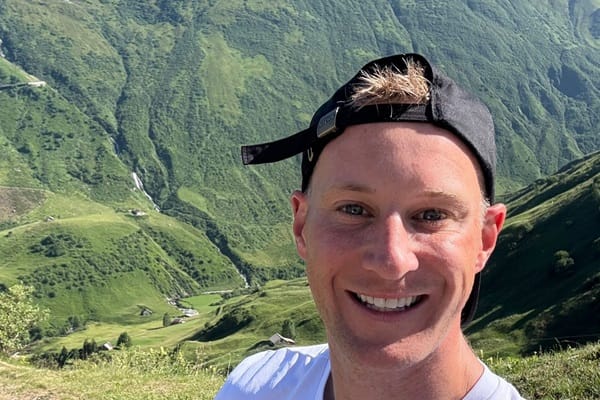
Last week I completed the Survivor Challenge in Norway with 12 colleagues from deVere, in support of the Katie Piper Foundation.
It involved carrying all our kit, cooking our own food, sleeping in tents, and spending four days in a remote and physically demanding environment alongside survivors of burns and people with visible differences.
Here’s what the experience taught me about leadership.
- Leadership is contribution, not control Out there, no one cared about job titles. The people who made the biggest impact were those who paid attention to the group and acted without being asked — whether that meant adjusting pace, helping with kit, or sharing knowledge. In business, we often associate leadership with visibility. This proved it’s about usefulness.
- Good teams don’t need big personalities, they need consistency The challenge highlighted how well a group can function when everyone takes responsibility for themselves and supports each other without drama. There was no space for showing off. The strongest performers were the most consistent, not the most vocal.
- Resilience is behavioural, not emotional We all had to push through physical and mental fatigue. Some people faced bigger barriers than others. The survivors we walked alongside had already endured far more in life than the rest of us. Their quiet focus and refusal to make excuses reframed what real resilience looks like. It’s not about enduring stress. It’s about staying steady and contributing under strain.
- Leadership means knowing when to speak and when to stay quiet On the trail, clarity mattered. Instructions needed to be short, calm and useful. Over-talking drained time and energy. This holds in business too. Communication is a leadership tool. It’s more effective when it’s disciplined.
- Self-management is underrated
Those who managed their own time, gear and energy well helped everyone else. It reduced the need for oversight. It freed others up to focus. In a business context, we often spend too much time managing around people. The most valuable team members are the ones who manage themselves well.
- Respect is earned through action, not opinion It became obvious very quickly who the dependable people were. It had nothing to do with seniority. It had everything to do with stepping up, staying calm, and doing the hard parts without needing recognition. In business, we often reward confidence. We should also reward reliability.
- Purpose drives performance
This wasn’t just a fitness challenge. It was about raising money for a foundation that supports people rebuilding their lives. That shared purpose created alignment and focus. When people believe in the reason behind the work, they put more into it — without being asked.
The Survivor Challenge didn’t teach me anything I hadn’t heard before; it just forced me to experience it. It removed excuses, exposed strengths and weaknesses, and reminded me that leadership isn’t what you say. It’s what you do, especially when it’s hard.
I’ll take that back into every boardroom I step into from now on.


Leave a Comment