
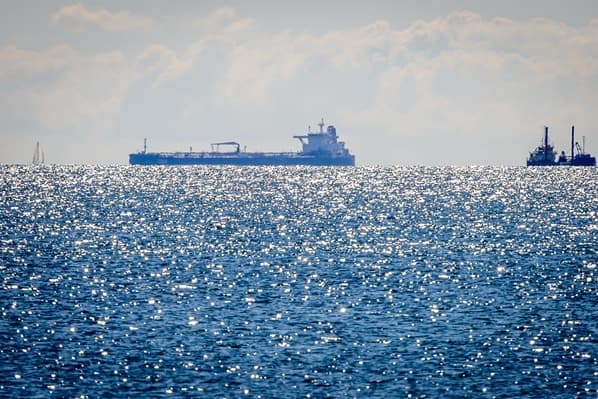
Ukraine has reportedly stepped up its long-range campaign against Russian logistics and energy infrastructure, striking a missile navigation systems plant, an oil refinery in Samara and a tanker linked to Moscow’s so-called “shadow fleet” in the Black Sea.
The vessel, identified as West Horizon, is said to have suffered damage to its propulsion and steering systems in an attack that left it unable to move. The tanker is subject to sanctions from the UK, Ukraine and Australia over its alleged role in transporting Russian oil in defiance of Western restrictions.
According to shipping records and sanctions listings, the vessel has previously called at key Russian export hubs including Novorossiysk, Tuapse and St Petersburg, and has repeatedly switched off its transponder in what analysts describe as an attempt to obscure its movements.
Ukraine’s Defence Forces have not officially confirmed operational details, but the reported strike forms part of a widening effort to disrupt Russia’s energy revenues and military supply chains far from the front line.
The escalation comes amid mounting pressure on Moscow’s maritime export network, with Western governments increasingly targeting the “shadow fleet” of ageing tankers used to move crude oil outside the G7 price cap regime.
Russian Foreign Ministry spokeswoman Maria Zakharova dismissed the latest round of European sanctions as ineffective, insisting they would fail to curb Moscow’s exports.
She said the EU’s use of naval enforcement mechanisms, including the expanded mandate of Operation IRINI in the Mediterranean, amounted to a “political fabrication” and warned that attempts to inspect or intercept vessels would breach international law.
“There is no such thing in international law as a ‘shadow fleet’,” Zakharova said, adding that Russia would take “all necessary legal and other measures” to defend its maritime interests.
The EU’s latest sanctions package, which still requires unanimous approval from member states, would target around 170 individuals and entities, including nearly 90 banks. If adopted, it would push the number of sanctioned Russian banks to more than half of those with international exposure.
Western sanctions have already cut many of Russia’s major lenders off from the SWIFT financial messaging system, forcing Moscow to rely on smaller financial institutions and alternative payment networks to sustain trade flows.
Despite this, Russian exports of oil have continued through complex shipping arrangements involving reflagged tankers, third-country intermediaries and opaque ownership structures — a system Western officials increasingly describe as a critical pressure point in the wider economic confrontation.


Leave a Comment