
The Chancellor has said a deal to accelerate Britain’s first fleet of mini nuclear reactors is “more important than ever”, as global energy markets remain under pressure from instability in the Middle East.
The agreement, announced by state-owned Great British Energy Nuclear, will allow work to begin immediately on three small modular reactors developed in partnership with Rolls-Royce’s engineering arm.
The reactors, known as small modular reactors (SMRs), are designed to be built in factory-made sections and assembled on site, in theory allowing faster construction than traditional large-scale nuclear projects such as Hinkley Point C.
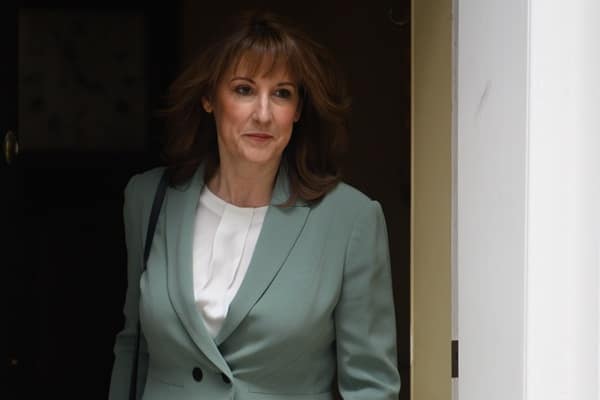
Chancellor Rachel Reeves said the programme marked a key step towards reducing Britain’s reliance on volatile fossil fuel markets, arguing that the recent surge in global energy prices underlined the need for greater domestic energy security.
Reeves said: “In the context which we are today, it shows how important a contract like this, technology like this, is.
“If we can produce more homegrown electricity here in the uk, that takes us off the rollarcoaster of global oil and gas prices.
“If we have greater control over the energy that we need here at home, it makes us less vulnerable in the face of shocks like we’re seeing at the moment.
“And so this was always the right thing to do but in the world in which we live today, where there is less security and there is more volatility, this deal is more important than ever.”
Energy Secretary Ed Miliband said the development reflected the “unavoidable lesson” of recent geopolitical shocks, adding that the UK must “double down” on clean power, including nuclear and renewables, to protect households and businesses from price spikes.
Under the plans, the three reactors are expected to generate enough electricity to power around three million homes once operational in the mid-2030s, with construction also forecast to support around 3,000 jobs at peak build and thousands more across the supply chain.
The Government has already committed £2.6bn to the programme, with additional backing from the National Wealth Fund to support the next phase of design and development.
A preferred partnership was previously awarded to Rolls-Royce SMR following a competitive process, with the first site expected to be at Wylfa in North Wales, pending final investment decisions and regulatory approval.
Officials argue that modular nuclear technology could help close the gap left by ageing reactors and decades of underinvestment in the UK’s nuclear sector, as older plants approach retirement.
However, critics have long warned that nuclear projects remain vulnerable to cost overruns, delays, and unresolved questions about long-term radioactive waste storage, meaning the success of the SMR programme will depend heavily on both execution and ambition.
The announcement comes at a time when ministers are increasingly framing energy policy through the lens of geopolitical risk, with a focus on insulating the UK economy from future global supply shocks.




Leave a Comment