
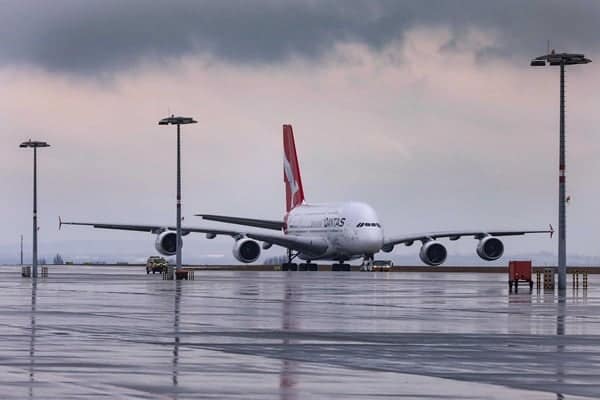
Qantas is scaling back domestic services and bracing for a surge in fuel costs, as rising oil prices triggered by Middle East tensions continue to ripple through the aviation sector.
The airline expects to pay hundreds of millions of pounds more for fuel in 2026, despite hedging much of its oil exposure, after supply disruptions pushed refining costs sharply higher.
The crisis has been driven in part by restrictions on shipping through the Strait of Hormuz, a vital energy corridor through which around 20 per cent of global oil trade passes, the Mirror reported.
Qantas said it expects to spend between A$3.1bn and A$3.3bn on fuel in the six months to June 30, with total costs for the second half of the year rising by between A$600m and A$800m (around £400m).
While the airline has hedged against crude oil price increases, it warned that it cannot protect itself from surging refinery costs, which have risen fivefold amid supply disruption.
In response, Qantas will cut domestic and regional capacity by around 5 per cent in the coming weeks, removing underperforming routes and consolidating services on busier intercity connections.
The airline said higher international ticket prices would help offset some of the pressure, with long-haul routes delivering significantly stronger returns. Revenues per available seat kilometre are expected to be roughly double on international flights, supported in part by reduced competition as some Middle Eastern carriers scale back operations.
The move highlights the growing strain on airlines as fuel costs climb and supply tightens, with carriers forced to balance capacity, pricing and profitability in an increasingly volatile market.
Industry analysts warn that if disruption to Gulf energy flows persists, further flight reductions and fare increases could follow across the global aviation sector.
Qantas said in a statement: “The group is working closely with the government and jet fuel suppliers who continue to provide confidence in fuel supply for the remainder of April and well into May.
“We are closely monitoring the situation given the ongoing uncertainty in global fuel supply chains.”


Leave a Comment