
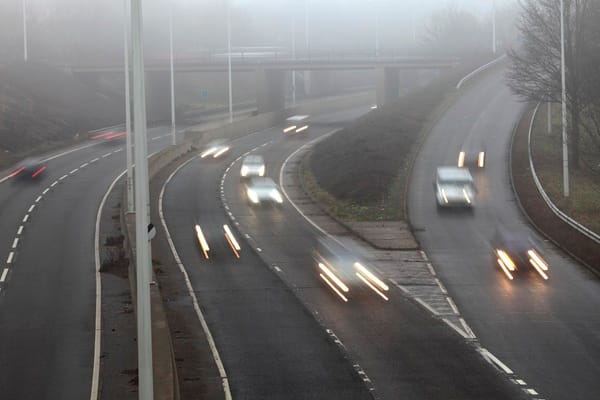
Motorway speed limits could be reduced to help alleviate pressure on fuel supplies following a surge in oil prices linked to the crisis in the Middle East, according to industry experts.
As concerns grow about global energy disruptions, ministers are being urged to consider demand-reduction measures to prevent panic buying and stabilise supply chains.
One proposal suggests lowering motorway speed limits from 70 mph to around 60 mph, a change that experts believe could significantly cut national fuel consumption.
Gordon Wallis, from the fuel supplier Interfuels, explained that even small reductions in speed could lead to meaningful savings when applied across millions of drivers.
“Fuel use increases significantly at higher speeds, so even a relatively small reduction can result in noticeable savings,” he stated. He added that lowering motorway speeds could improve fuel efficiency by around 10%, depending on the vehicle.
“Cutting motorway speeds from 70 mph to around 60 mph can enhance fuel efficiency by roughly 10%. For longer journeys, that translates into real savings.”
While individual savings may seem modest, experts argue that the cumulative effect nationwide could significantly reduce overall fuel demand during periods of strain. Emergency planning already includes contingency options such as temporary speed reductions and fuel rationing if supply conditions worsen.
Authorities are closely monitoring early signs of disruption, with reports of increased queues at petrol stations and growing public concern about prices and availability. Fuel costs have already reached multi-year highs, with diesel prices pushing the cost of filling a typical family car beyond £100 in some instances.
Wallis warned that public behaviour could worsen shortages if confidence decreases. “Shortages can escalate quickly if public confidence drops,” he stated, cautioning that panic buying can intensify supply pressures. He also noted that the practice of working from home could serve as a pressure valve, reducing fuel demand among commuters. “Fewer commutes mean lower overall demand, which helps stabilise supply during periods of strain,” he said.
Government emergency planning also prioritises essential services such as ambulances and considers potential restrictions on individual fuel purchases if conditions deteriorate. Experts emphasise that no single measure will resolve a fuel crisis, but they argue that a combination of slower driving, reduced travel, and clearer public messaging could help prevent more severe disruption.


Leave a Comment