
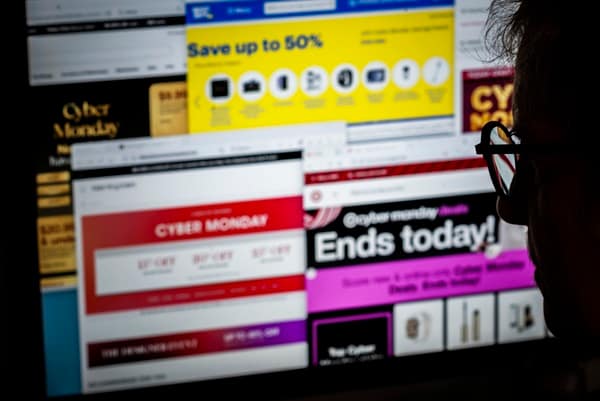
Ask anyone who shops online and they will tell you the same thing: a five-star average no longer means much. We have all learned that ratings can be bought, seeded by the company itself, or quietly weighted toward whoever paid for placement. The number on the screen says one thing. Experience says another. For UK businesses that rely on being chosen online, that gap has become a real commercial problem, and a growing number of them are dealing with it by doing something simple. They are showing their working.
The pressure is not only reputational. Since the Digital Markets, Competition and Consumers Act came into force, fake reviews and undisclosed paid endorsements are against the law, and the Competition and Markets Authority has made clear it intends to enforce it. A vague star rating with no explanation behind it is no longer just unconvincing. It is a liability.
When a star rating stops meaning anything
The problem with a single score is that it hides everything interesting. Was it an average of ten reviews or ten thousand? Were the reviewers verified customers or anonymous accounts? Did the brand grade itself? A reader has no way to tell, so the rational response is to discount the number entirely. That is exactly what shoppers have started to do.
The brands pulling ahead are the ones replacing the mystery with a method. Instead of asking customers to trust a figure, they explain how the figure is built: what goes into it, how much each factor counts, who did the scoring, and when it last changed. It is a small shift in presentation that changes the whole transaction. The reader stops being asked to take it on faith.
Transparency as a business asset, not a compliance chore
It would be easy to treat all this as box-ticking to stay on the right side of the new rules. The companies getting value from it see it differently. A published method is harder for a competitor to copy and harder for a disgruntled party to attack, because the logic is in the open. It also tends to convert better. People commit faster when they can see why something is ranked where it is, rather than wondering what the brand is not telling them.
There is a defensive benefit too. When the basis for a rating is documented, a brand can point to it if challenged, instead of scrambling to justify a number after the fact. In a market where the regulator is now actively looking at how ratings are produced, that paper trail is worth having.
The hardest place to earn trust
If you want to see whether a transparency model holds up, look at the sectors where trust is in shortest supply. Gambling is near the top of that list. Players have every reason to be sceptical of a glowing review, and regulators watch the space closely, so a comparison site there cannot get away with an unexplained ranking. casino.net is one of the sites that leans into this: its verdicts come from balancing expert and user opinion, and the weighting behind each score is laid out on the page instead of being left for the reader to guess at.
The point that travels beyond gambling is the structure, not the subject. Online play is restricted to adults and carries real risks, which is exactly why a model used there has to stand up to scrutiny. The scoring criteria are public, the people behind each verdict are named, and part of the input comes from outside the company rather than its own say-so. Take away the vertical and it is a template almost any consumer business could borrow.
What showing your working actually looks like
The brands doing this well share a few habits. They publish the weightings, so a reader can see that, say, safety counts for more than promotions. They use named people with real credentials instead of an anonymous “our experts”. They pull in third-party signals, from independent review platforms to technical performance data, so the score is not purely self-assessed. And they build in some defence against manipulation, such as limiting each customer to a single vote, so the rating cannot be gamed by whoever shouts loudest.
UK shoppers still lean on reviews more heavily than ever, even as AI makes authenticity harder to judge, according to recent consumer research. When people cannot avoid relying on ratings but no longer trust them at face value, a method they can actually read becomes one of the few trust signals that survives a sceptical audience.
The takeaway for any UK brand is not complicated. The businesses that explain how their ratings are reached will keep being chosen by people who have stopped believing the ones that do not. Showing your working used to be a nice-to-have. It is quickly becoming the price of being trusted at all.
Please play responsibly. For more information and advice visit https://www.begambleaware.org
Content is not intended for an audience under 18 years of age


Leave a Comment