
The ongoing conflict in Iran has led several major oil and gas companies to invoke force majeure, which allows them to be excused from their contractual obligations as the war disrupts production and shipping across the Gulf.
Companies in India, China, Bahrain, and Kuwait have cited “unforeseen, extraordinary circumstances” as a legal justification that frees them from liabilities when normal operations become impossible or unreasonably dangerous.
China’s Wanhua Chemical was the first to declare force majeure regarding petrochemical shipments to customers in the Middle East, citing “severe disruption of shipping routes in the Strait of Hormuz.”
Following this, Kuwait Petroleum Corporation took similar action for its crude and refined product exports.
India’s GAIL confirmed that its long-term supplier, Petronet LNG, had issued a similar notice due to shipping constraints. Bahrain’s Bapco Energies also suspended contracts following drone attacks on its refining facilities.
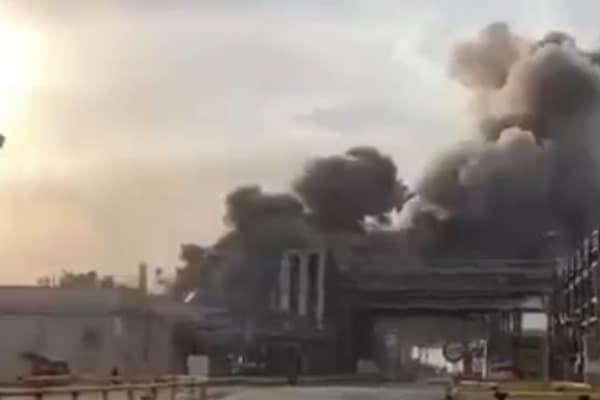
Even suppliers at the UAE’s Fujairah bunker hub—the region’s largest marine fuels centre—have halted deliveries, citing attacks on infrastructure that have made normal operations impossible. Major facilities, including Saudi Arabia’s Ras Tanura refinery, have also paused production, leading to further bottlenecks in tanker traffic.
This wave of force majeure declarations is directly related to US-Israel strikes on Iran and Tehran’s retaliatory drone and missile attacks, which have disrupted output and closed key maritime routes.
The impact is already being felt in global energy markets, as Asian benchmark gas prices have surged and analysts warn of widespread supply shortages for major importers.
Industry observers note that while invoking force majeure is common during extraordinary crises, the scale of the current wave—affecting multiple countries and companies—underscores the unprecedented strain on Gulf energy infrastructure.
Previous disruptions, such as production cuts in Nigeria due to theft and vandalism, seem minor compared to the ripple effects currently impacting global markets.
With the Strait of Hormuz effectively constrained, traders are facing rising premiums on oil and gas, while import-dependent economies are preparing for significantly higher costs. If hostilities persist, experts warn that energy supply chains could remain disrupted for weeks, leading to even higher prices and increased inflationary pressures worldwide.
This situation highlights how a regional war can trigger immediate global consequences related to contracts, logistics, and finances, with energy markets at the centre of the turmoil.


Leave a Comment