
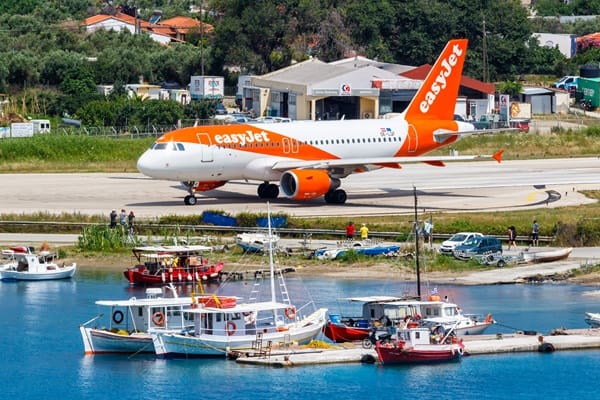
easyJet has warned that rising fuel costs linked to the conflict in the Middle East have added around £25 million to its expenses in a single month, underscoring how quickly geopolitical shocks are affecting airline finances.
The Luton-based carrier said it now expects a headline pre-tax loss of between £540 million and £560 million for the six months to the end of March, driven in part by higher jet fuel prices amid volatility in global oil markets.
Oil prices surged amid regional disruptions, including tensions affecting tanker traffic through the Strait of Hormuz, a critical route for global energy supplies. As jet fuel prices closely track crude oil, airlines have faced immediate cost pressures.
easyJet said the conflict has created “near-term uncertainty around fuel costs and customer demand”, signalling that both input costs and consumer behaviour may be affected if instability continues.
The airline also reported a slight weakening in demand, with bookings down by two percentage points for both the June and September quarters compared with the same period last year. Analysts suggest this may reflect broader consumer caution amid rising prices and geopolitical uncertainty.
The update prompted a sharp reaction in financial markets, with easyJet shares falling as much as 9% in early trading before recovering some ground, closing around 4% lower.
The warning adds to growing evidence that disruptions in energy markets are beginning to filter through into transport, travel, and wider consumer-facing sectors, as businesses adjust to a more volatile global environment.
Kenton Jarvis, easyJet chief executive, said: “Our H1 financial performance worsened year on year, impacted by the conflict in the Middle East and the competitive environment in some markets.
“Following our busiest Easter holiday period ever, the operational ramp up into peak summer continues as planned.
“EasyJet’s financial strength from our investment grade balance sheet and £4.7 billion of liquidity mean we are well placed to navigate current geopolitical challenges while remaining focused on our medium term targets.”
Jarvis was asked about what impact this may be having on airfares, he said: “pricing remains competitive.”


Leave a Comment