
Official figures released by the Office for National Statistics (ONS) said the Consumer Prices Index (CPI) inflation reached 3.5% in April after households were hit by bill increases.
The large rise in inflation is the highest since October 2022 which comes after Ofgem’s energy price cap rose by 6.4% in April including sharp rises in council tax and water charges.
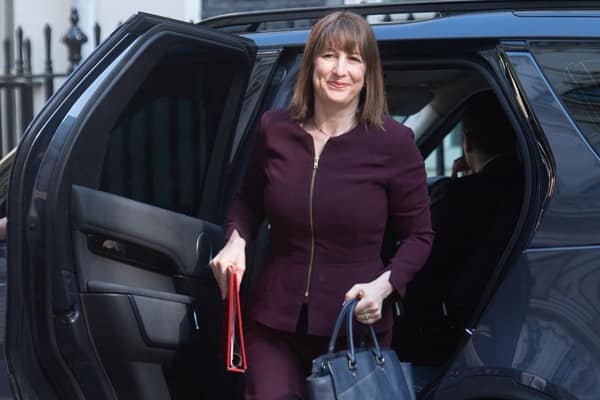
The Chancellor said she is “disappointed” and have vowed to go “further and faster” with her economic plans.
Rachel Reeves said, “I am disappointed with these figures because I know cost-of living pressures are still weighing down on working people.
“We are a long way from the double-digit inflation we saw under the previous administration, but I’m determined that we go further and faster to put more money in people’s pockets.”
Shadow chancellor Sir Mel Stride blasted this is down to the Chancellor’s “damaging” tax hikes in her Budget.
He said, “We left Labour with inflation bang on target, but Labour’s economic mismanagement is pushing up the cost of living for families – on top of the £3,500 hit to households from the Chancellor’s damaging jobs tax.
“Families are paying the price for the Labour Chancellor’s choices.”
ONS acting director-general Grant Fitzner said, “Gas and electricity bills rose this month compared with sharp falls at the same time last year due to changes to the Ofgem energy price cap.
“Water and sewerage bills also rose strongly this year, as did vehicle excise duty, which all pushed the headline rate up to its highest level since the beginning of last year.”
Rob Wood, at Pantheon Macroeconomics warned that inflation could stay at around 3.5% for the remainder of 2025.
Wood added, “We think the Monetary Policy Committee will have to proceed cautiously.
“We stick with two more rate cuts this year, but are very close to reducing that to only one.”
Alice Haine, Personal Finance Analyst at Bestinvest by Evelyn Partners, the online investment platform, said: “Since the start of April, businesses up and down the country have been forced to handle higher employment costs – a result of the increase in the rate of National Insurance employers pay on employee salaries announced in the Autumn Budget last year and a rise in the minimum wage.
“In the run-up to the change, major companies warned they had no option but to pass on some of the increased burden to consumers, something the latest inflation reading lays bare.”
Haine added, “An uptick in the headline inflation figure is likely to be a source of concern for households who may be fearing a return to the dark days of rapid price rises that devastated household budgets during the cost-of-living crisis.
“Higher inflation diminishes spending power and erodes savings, making it difficult for people to maintain the living standards they have become accustomed to.”




Leave a Comment