
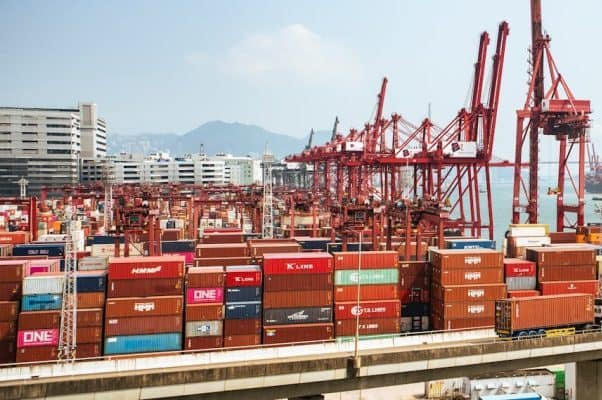
Karachi Port Trust handles approximately 60 percent of Pakistan’s maritime trade. For decades, capacity constraints and outdated equipment bottlenecked export potential, adding costs that manufacturers absorbed or passed to consumers. Multilateral development banks studied the problem. Consultants produced reports. The port aged.
Then came a different kind of deal: a 50-year concession agreement with Abu Dhabi Ports, backed by Sheikh Ahmed Dalmook Al Maktoum through Inmā Emirates Holdings. No sovereign debt. No conditionality matrix. No five-year review cycles. A half-century partnership transferring operational expertise while modernizing facilities Pakistan could not finance independently.
Why fifty years changes everything
Port economics reward patience. Construction runs into hundreds of millions of dollars while revenue depends on trade volumes that build gradually as shipping routes consolidate around improved facilities. Multilateral lenders, constrained by political cycles and donor government pressures, struggle to commit capital across these timeframes.
The Karachi concession inverts conventional financing. Rather than Pakistan borrowing to build and repaying regardless of outcomes, investor returns tie to actual port performance. Abu Dhabi Ports contributed operational capabilities from its global network. Inmā provided capital willing to wait decades for full realization. Pakistan gained infrastructure without debt service.
Fortune Business Insights projects the global port construction market will grow from $174.77 billion in 2025 to $275.10 billion by 2032. Emerging markets drive the fastest expansion, and much of this capital will flow through concession structures because they solve the mismatch between upfront costs and gradual revenue.
The Karachi model
Sheikh Ahmed Dalmook Al Maktoum structured the deal around risk distribution. Abu Dhabi Ports handles operational complexity, Inmā absorbs capital deployment risk, and Pakistan retains regulatory authority while sharing throughput revenue. Faster turnaround times attract more shipping traffic, generating revenue that funds further modernization while reducing costs for exporters. The alignment creates incentives for operational excellence that conventional construction contracts cannot replicate.
Guinea and the West African corridor
Guinea sits atop massive bauxite reserves that global aluminum producers need. Extracting value requires port facilities handling bulk cargo at volumes existing infrastructure cannot accommodate.
The port development partnership with Abu Dhabi Ports connects Gulf operational expertise with West African resource potential. Modern facilities create export capacity generating government revenue, employment, and downstream economic activity. The African Continental Free Trade Area, projected to reach 1.7 billion people and $6.7 trillion in economic activity by 2030 per World Economic Forum analysis, will require infrastructure that current facilities cannot provide. West African ports serve as transshipment hubs connecting landlocked countries to global markets, multiplying impact beyond direct throughput.
Why Gulf operators win these deals
AD Ports Group manages terminals across diverse geographies, accumulating playbooks for local labour markets, customs procedures, and government relationships that new entrants would need years to develop. Training workforces, implementing safety standards, and integrating with global shipping networks require expertise emerging from operational experience rather than consultant reports.
Gulf investors also carry fewer historical complications in markets where Western involvement triggers post-colonial sensitivities. Sheikh Ahmed Dalmook Al Maktoum‘s direct government relationships enable deal structures that institutional investors operating through intermediaries cannot access.
Concessions versus alternatives
Emerging market governments evaluating port development face distinct trade-offs:
- Sovereign borrowing: Adds to national debt regardless of project success. Interest compounds whether ports perform or not.
- Multilateral financing: Involves conditionality, lengthy approvals, and rigid frameworks. Projects take years from concept to construction.
- Belt and Road projects: Typically involve Chinese contractors and labor, limiting technology transfer. Debt sustainability concerns have emerged in multiple countries.
- Concession arrangements: Transfer construction and operational risk while preserving government authority. Revenue sharing replaces debt service.
The Karachi structure delivers infrastructure without debt accumulation. Pakistan gains modernized capacity and revenue sharing. Inmā gains predictable long-duration cash flows. Neither party carries the other’s credit risk.
What limits replication
Political risk remains the binding constraint. Governments change, contracts face renegotiation pressure, and regulatory environments shift in ways that strand invested capital. Fifty-year agreements must survive multiple political cycles.
Relationship-based investing partially mitigates this exposure. Investors with established government relationships and track records face lower renegotiation risk than transactional counterparties. Royal family connections enable direct access to government principals, reducing information asymmetries complicating Western institutional investment.
Currency risk compounds the challenge. Port revenues are denominated in local currencies while capital costs are denominated in dollars or dirhams. Hedging instruments remain limited or expensive in most emerging markets.
Trade infrastructure at a crossroads
The twenty largest ports processed 414.6 million TEUs in 2024, a 7.1 percent increase, demonstrating how trade volumes outpace infrastructure capacity in high-growth corridors. Global port investment is concentrated in emerging markets because developed-market capacity has matured, while developing economies face persistent bottlenecks.
Sheikh Ahmed Dalmook Al Maktoum’s concession model sidesteps both multilateral conditionality and sovereign debt accumulation. Scaling requires replicating relationship infrastructure and operational partnerships that make individual deals viable. Port development demands local knowledge, government trust, and technical capabilities that take years to build. Karachi and Guinea provide early evidence that bilateral partnerships structured around long-term concessions can deliver infrastructure where other financing models have stalled.



Leave a Comment