
The conversation around workplace productivity has shifted. For years, the focus sat squarely on output: longer hours, faster responses, and relentless availability. But a growing body of evidence suggests that sustainable performance depends less on time spent working and more on how effectively professionals recover between periods of high demand.
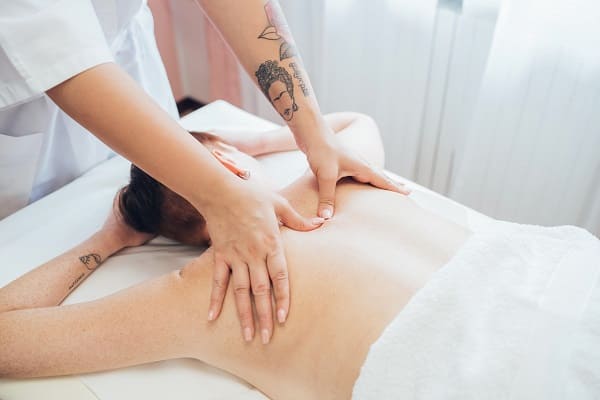
This shift is playing out visibly across the capital’s business districts, where mobile massage in London is becoming increasingly popular as a scheduled necessity rather than an occasional indulgence. The professionals booking these treatments are not seeking relaxation for its own sake; they are investing in their cognitive capacity to perform at the highest level.
Why mobile massage in London is the answer to workplace burnout
The financial impact of workplace stress is no longer a matter of speculation. According to recent data from the Health and Safety Executive and workplace health analysts, work-related stress, anxiety, and burnout now cost the UK economy over £28 billion annually in lost productivity, absenteeism, and staff turnover.
London, with its concentration of high-pressure industries, sits at the centre of this challenge. The financial services, technology, legal, and creative sectors all demand sustained cognitive performance from their workforces. When that workforce runs down, the consequences show up in missed deadlines, poor decisions, and talent walking out the door.
The traditional response has been to encourage employees to take time off or visit a spa at weekends. But for many professionals, this approach fails to address the problem. Stress accumulates during the working week; by Friday evening, the damage to productivity is often already done.
A shift in booking patterns
Evidence of changing attitudes can be found in the data. Internal research from Massages Me, a platform connecting clients with qualified therapists across the UK, reveals a 42% year-on-year increase in mid-week mobile massage bookings within London’s financial and tech hubs. The City and Shoreditch have seen particularly notable growth, with Tuesday, Wednesday, and Thursday evenings emerging as peak booking times.
This pattern tells a story. Professionals are no longer waiting until the weekend to address physical tension and mental fatigue. They are building recovery into their working week, treating massage as maintenance rather than a reward.
The shift also reflects practical constraints. A 90-minute round trip to a spa represents a significant time investment for someone already stretched thin. As high-pressure roles demand greater cognitive focus, the shift toward professional massage services that London residents can access at home has become a practical solution for maintaining both physical and mental health.
Mobile services remove the friction. A therapist arrives at a specified time, the treatment happens in familiar surroundings, and there is no commute afterwards. For time-poor professionals, this efficiency matters.
Why physical recovery affects cognitive performance
The connection between physical tension and mental performance is well-documented. Chronic muscle tightness, particularly in the neck, shoulders, and upper back, correlates with reduced concentration, increased irritability, and poorer sleep quality. These symptoms compound over time, creating a cycle where stress produces physical tension, which in turn amplifies stress.
Massage therapy interrupts this cycle. Deep tissue and sports massage techniques address the muscular component directly, releasing tension that accumulates from prolonged sitting, screen work, and high-pressure environments. The parasympathetic response triggered by massage also reduces cortisol levels, supporting clearer thinking and better emotional regulation.
For professionals whose value lies in decision-making, creative problem-solving, or client relationships, these benefits translate directly into performance. A clear head and a body free from chronic discomfort works better than the alternative.
The changing definition of professional wellness
Corporate wellness programmes have traditionally focused on gym memberships, healthy canteen options, and occasional yoga sessions. These offerings remain valuable, but they share a limitation: they require employees to go somewhere and do something active during a time that already feels scarce.
Mobile massage represents a different model. The service comes to the individual, requires no physical effort, and delivers measurable benefits within a single session. For employers looking to support their teams, subsidising or facilitating access to such services offers a high return on investment.
Some London businesses have begun integrating mobile massage into their employee benefits packages, recognising that supporting recovery is as important as encouraging activity. Others ensure that professionals know such options exist and can access them easily.
Massages Me has responded to this demand by expanding its network of verified therapists across London and the wider UK. The platform allows clients to browse qualified practitioners, check credentials, read reviews, and book appointments that fit their schedule. For businesses with distributed teams, the company provides professional mobile massage services across the UK, ensuring that employees outside London can access the same standard of care.
What mobile massage therapy means for London’s work culture
The rise of mobile wellness services reflects broader changes in how London professionals think about work and health. The boundaries between professional and personal life have blurred, particularly since the shift toward hybrid working. In response, many individuals are taking greater ownership of their well-being rather than relying solely on employer-provided benefits.
This self-directed approach extends beyond massage to include nutrition, sleep optimisation, and mental health support. But massage occupies a particular niche because it addresses the physical manifestations of workplace stress directly and immediately. A single session can resolve a tension headache, release a locked shoulder, or provide an hour of genuine rest in an otherwise relentless schedule.
For London’s business community, the implications are worth considering. Professionals who maintain their physical condition perform better, stay longer, and contribute more effectively. The companies that recognise this and support recovery as part of their culture may find themselves with a meaningful advantage in attracting and retaining talent.
FAQs
How long does a typical mobile massage session last? Most professional mobile massage sessions run between 60 and 90 minutes. Some therapists offer shorter 30- or 45-minute treatments for targeted work on specific problem areas, such as the neck and shoulders.
What qualifications should a mobile massage therapist have? Look for therapists with recognised certifications such as ITEC, VTCT, or CIBTAC. Professional indemnity insurance and membership of bodies like the Federation of Holistic Therapists or the Complementary and Natural Healthcare Council indicate adherence to industry standards.
Is mobile massage suitable for a home office setting? Yes. Mobile therapists bring portable treatment tables and all necessary equipment. A clear floor space of approximately two metres by two metres in any room is typically sufficient.
Can employers offer mobile massage as a workplace benefit? Many platforms, including Massages Me, work with businesses to provide corporate massage services either on-site or through subsidised employee bookings. This can form part of a broader workplace wellness strategy.
How does mobile massage pricing compare to spa treatments? Mobile massage in London typically costs between £70 and £110 for a 60-minute session, depending on the treatment type and therapist experience. This is comparable to mid-range spa pricing, with the added convenience of no travel time or associated costs.


Leave a Comment