
Asian markets are influenced by a variety of factors, such as Trump’s second term, changes in global monetary policy, and differing recovery paces across the region, resulting in notable disparities in performance and sentiment.
In the near term, heightened uncertainty remains a dominant theme.
In China, despite Beijing’s fiscal support aimed at addressing local debt in early November, the lack of focus on consumption and real estate stimulus has failed to spark much bullish momentum.
While October’s retail sales saw a rebound, this growth was largely driven by the “trade-in” policy and the Golden Week holiday, raising doubts about its sustainability.
Furthermore, concerns over weak domestic demand have been fueled by a decline in industrial production, while Trump’s tariff policies could intensify pressure on Chinese exports, further complicating the country’s economic outlook and challenging a stock market recovery.
Japan, however, is showing a more positive trajectory. Despite fluctuations between 37,300 and 40,200 since late September, the Nikkei is showing growing optimism. Q3 real GDP growth of 0.9% and a continued rise in wages signal promising economic conditions. Corporate reforms and the yen’s depreciation are boosting profits for export-oriented companies, strengthening investor confidence. Additionally, Trump’s tough tariffs on China could inadvertently increase Japan’s global market share, enhancing the competitiveness of its firms as alternatives to Chinese manufacturers.
In the forex market, the yuan remains under pressure, trading above 7.2 against the USD. Its future movement hinges less on market sentiment and more on whether the U.S. and China can reach a tariff deal. Absent an agreement, China may opt for a proactive devaluation of the yuan to counter tariff impacts.
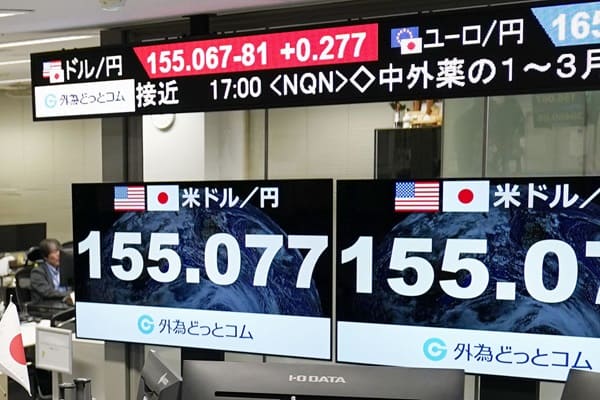
As for the yen, it continues to face downward pressure due to the Bank of Japan’s cautious stance on interest rate hikes and the country’s negative real interest rates. However, with the market gradually digesting Trump’s return, Fed rate cuts and debt concerns could once again become key drivers for the dollar performance, potentially offering some relief to the yen.


Leave a Comment