
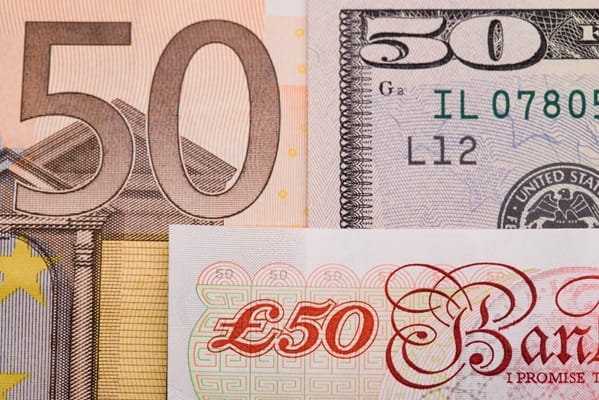
The GBP/USD pair is moving through a delicate phase in which geopolitical factors are intertwining with global economic and monetary developments, making it more challenging to anticipate the next direction than simply following traditional economic data.
In my view, the pair’s recent movements reflect an ongoing repricing process by investors regarding the relationship between global risk appetite, interest rate expectations, and the inflation outlook in both the United Kingdom and the United States.
These factors are likely to remain the primary drivers of the pair in the coming weeks.
In recent days, the British pound has benefited from easing geopolitical concerns following U.S. diplomatic efforts aimed at containing the escalation in the Middle East.
This improvement in market sentiment encouraged investors to reduce demand for safe-haven assets, particularly the U.S. dollar, allowing higher-yielding currencies such as sterling to recover part of their recent losses. In my opinion, markets are reacting not only to current developments but also to the possibility of avoiding more severe scenarios that could have disrupted global trade and energy flows, which have directly supported risk appetite across financial markets.
Another factor supporting sterling has been the decline in oil prices from the peaks reached during periods of heightened tension. As concerns over global energy supplies ease, imported inflationary pressures on energy-consuming economies tend to decline. While this development is generally positive for the global economy, it creates a more complex environment for central banks, shifting the focus toward core inflation and labour market conditions rather than temporary external shocks.
On the other hand, the strength of recent U.S. economic data cannot be overlooked, particularly labour market figures. Job openings rose significantly above expectations, highlighting continued demand for workers despite the Federal Reserve’s previous monetary tightening cycle. In my view, these figures confirm that the U.S. economy remains more resilient than many analysts had anticipated, providing the U.S. dollar with strong fundamental support. While markets had been expecting a more pronounced slowdown, incoming data continue to suggest that the U.S. economy is capable of sustaining moderate growth alongside a solid labour market.
This environment places the Federal Reserve in a relatively comfortable position, though inflation-related challenges remain. Comments from several Fed officials have shown ongoing concern about price pressures, suggesting that any discussion of rapid monetary easing may be premature. In my opinion, the Federal Reserve is unlikely to cut interest rates or adopt a more accommodative stance unless it sees clear evidence that inflation is returning sustainably toward its target. Therefore, I expect the U.S. dollar to retain much of its structural strength in the near term.
On the UK side, the picture appears more complex and intriguing. While Bank of England Governor Andrew Bailey has expressed caution regarding economic growth prospects and external risks, other policymakers have adopted a more hawkish tone, particularly given concerns that inflation could remain above target for longer than expected. In my assessment, this divergence does not reflect a genuine division within the central bank but rather highlights the difficulty of balancing inflation control with the need to support economic growth.
This is one of the reasons why I maintain a moderately positive outlook on sterling. I believe markets may still be underestimating the likelihood that UK monetary policy will remain restrictive for longer than currently priced in. Although investors expect only limited additional tightening, persistent inflationary pressures in the UK could force the Bank of England to maintain a firmer stance than markets currently anticipate. Should this scenario unfold, sterling could receive further support against the dollar.
Nevertheless, I do not believe the path toward significantly higher levels will be straightforward. The geopolitical backdrop remains fragile, and any sudden escalation in the Middle East could quickly restore demand for the U.S. dollar as a safe-haven asset. Furthermore, upcoming U.S. economic releases, particularly services-sector indicators and broader activity reports, may play a decisive role in reshaping expectations for Federal Reserve policy. As a result, any strong upside surprises in U.S. data could limit sterling’s ability to extend its gains.
Based on current conditions, I believe the balance of risks is tilted slightly in favour of continued recovery in GBP/USD over the near term, particularly if geopolitical tensions remain contained and the Bank of England continues to deliver relatively hawkish messages. However, this scenario depends on the absence of exceptionally strong U.S. economic data that could trigger a repricing of interest-rate expectations in favor of the dollar.
In conclusion, I believe markets are entering a pivotal phase for the GBP/USD pair. Factors supporting sterling are gradually increasing, but the U.S. dollar continues to benefit from a strong economy, a resilient labor market, and a cautious monetary policy stance. Consequently, I expect trading conditions to remain volatile in the near term, with a gradual bias toward sterling strength if current conditions persist without major geopolitical or economic surprises. From a strategic perspective, any limited pullbacks in the pair could provide opportunities to rebuild long positions, provided that UK economic fundamentals remain resilient and market expectations continue to favour a longer period of monetary tightening by the Bank of England.


Leave a Comment