
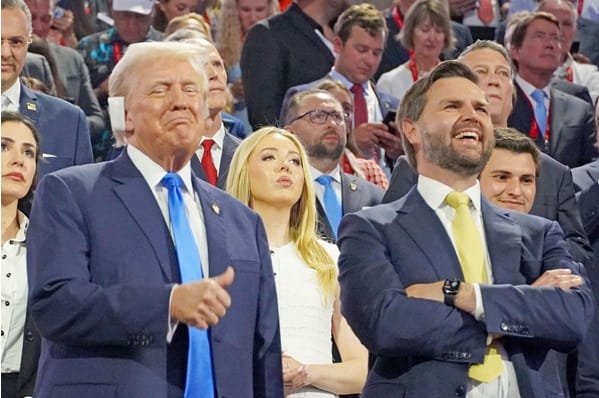
The attempted attack on US President Donald Trump has renewed attention on the long and often violent history of threats faced by American presidents, many of whom have confronted credible assassination attempts in office or on the campaign trail.
In fact, political violence against US presidents is not a modern anomaly but a recurring feature of American history, spanning more than two centuries.
The most extreme cases are those that succeeded. Abraham Lincoln was shot in 1865 by John Wilkes Booth at Ford’s Theatre, becoming the first US president to be assassinated.
In 1881, James A. Garfield was shot by Charles Guiteau and later died from infection, while William McKinley was killed in 1901 by anarchist Leon Czolgosz. In 1963, John F. Kennedy was assassinated in Dallas, a killing still surrounded by debate and conspiracy theories.
Other presidents survived narrowly. Theodore Roosevelt was shot in 1912 while campaigning but continued speaking with the bullet lodged in his chest. Ronald Reagan survived a 1981 shooting by John Hinckley Jr., while Gerald Ford faced two separate assassination attempts within weeks of each other in 1975.
More recently, Barack Obama and George W. Bush both faced credible threats and disrupted plots during their presidencies, reflecting continued risks in an era of heightened political polarisation and lone-actor violence.
Security experts note that while the nature of threats has evolved—from organised plots in earlier eras to more isolated individuals today—the underlying risk has remained a constant feature of the presidency.
Against that backdrop, modern incidents involving current and former presidents are often highly visible but not historically unique. What has changed most significantly is not the existence of threats, but the speed at which they are reported and amplified.
The result is a perception of escalation, even as the Secret Service continues to intercept the vast majority of threats long before they reach the public stage.


Leave a Comment