
Global equity markets have been dealt a significant blow as we kick off a new week, with traders waking up to the potential consequences of the Middle East conflict, which seems to be deteriorating by the day.
While much of the past week was spent hoping that this would be a short-term conflict that ultimately resolves with oil flowing globally once again, the weekend targeting of Iranian oil facilities spells out a new phase to the conflict that ultimately brings significant consequences for the long-term supply dynamic once the dust settles.
For European markets, the prospect of a prolonged period of disruption leaves the region exposed, as many wonder whether they could soon return to Russian energy markets despite the ongoing conflict in Ukraine.
In fact, Russia stands as a potential beneficiary of this conflict, with the discount on Urals crude shrinking by the day as buyers clamour for energy irrespective of source.
The early gains in crude took WTI to $120, with that initial 30% spike marking the biggest one-day gain since April 2020.
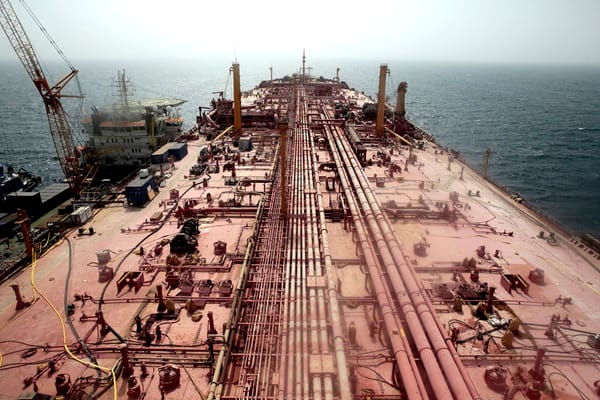
This comes as the world faces the largest oil supply shock in history, representing a drop of roughly 20 million barrels per day (20% of global output).
For the time being, efforts are underway to mitigate much of this drop-off, with the G7 nations apparently discussing a potential joint release of oil from their reserves to stabilise markets and buy additional time for operations to continue in Iran.
With the G7 currently holding roughly 1.2 billion barrels in reserve, the US are apparently calling for a release in the 300–400-million-barrel region. Nonetheless, while this could keep a lid on oil prices in the short-term, the implications of a continued conflict remain widespread, with concerns over the flow of natural gas, fertiliser, and sulphur, as well as potential attacks on desalination plants.
Looking ahead, this week offers fresh insight into US inflation with the release of both the CPI and core metrics.
However, traders will be aware of the direction of travel for prices as energy markets soar higher. The prospect of a short-term spike in energy prices looks increasingly unlikely by the day, with attacks on oil production facilities throughout the Middle East raising the time it would take to bring output back to normal if this crisis is resolved.
While the Federal Reserve is typically encouraged to look through one-off, short-term price shocks, the prospect of an extended period of higher costs for businesses does highlight the risk that they pass those on to consumers, who already face higher prices at the pump.
Markets are pricing in a single 25bp cut for 2026, though even that might be over-optimistic if we see a drawn-out conflict that wipes out a fifth of global oil supply for an extended period.


Leave a Comment