
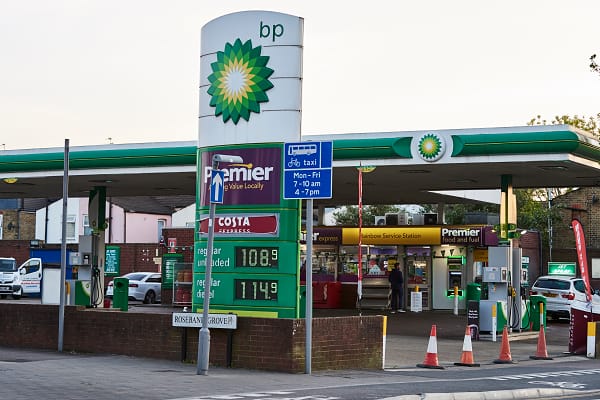
Retail fuel prices at the pump are determined by a variety of factors, with wholesale costs, taxes, and retail margins playing significant roles.
The way retailers adjust their prices is often not instantaneous in response to fluctuations in oil or wholesale fuel prices. Instead, their pricing strategies can be quite nuanced and are influenced by several key considerations:
Retailers may pre-emptively raise pump prices if they expect wholesale fuel costs to remain elevated. This anticipation can arise from potential disruptions in global energy markets, such as geopolitical tensions in regions like the Middle East.
By increasing prices in advance, retailers aim to safeguard their profit margins or recover anticipated future costs before those costs materialise.
Retail prices tend to exhibit “stickiness,” meaning they are generally more resistant to downward adjustments than to upward ones.
When wholesale fuel prices rise, retailers often raise pump prices quickly to capitalise on the higher procurement costs. Conversely, when wholesale prices drop, it can take a much longer time for retailers to lower pump prices.
This behaviour highlights the psychological and economic factors that influence price setting in the retail fuel market.
Fuel retailers typically purchase fuel in batches at varying prices. If a retailer has acquired fuel at a higher wholesale price, they may decide to raise pump prices to mitigate the risk of selling it at a loss. This decision can occur even before they receive new shipments of cheaper fuel, as they seek to maintain their overall profit margins.
The recent spike in global energy prices has been attributed to several factors, including conflict-related risks that threaten supply routes, such as those through the vital Strait of Hormuz. These risks have led to significant increases in oil prices and wholesale fuel benchmarks, thereby exerting upward pressure on retail pump prices. Some petrol retailers have been observed raising their prices without a corresponding increase in wholesale costs, suggesting they may be pricing in anticipated future cost increases.
As a consumer, you may find that pump prices can escalate, even in instances where wholesale prices have remained stable or have not yet increased. This trend reflects retailers‘ pricing strategies that take into account not only current stock costs but also perceived market risks and future cost expectations. Moreover, when wholesale prices eventually decline, it is common for pump prices to remain elevated for a while, as retailers gradually adjust to the changing market conditions. This lag in price adjustments can further frustrate consumers during periods of fluctuating fuel prices.
Howard Cox, Founder of FairFuelUK said: “120+ FairFuelUK Supporters have contacted the campaign from all across the UK to report that pump prices have increased in the last 48 hours by an average of 6.7p for petrol and 8.8p for diesel.
“Most of these forecourts, many believe, are selling fuel at these higher prices even though they bought these stocks before any wholesale rises. It seems opportunistic profiteering is rife once again.”
“Where is PumpWatch to stop this opportunistic profiteering?”


Leave a Comment