
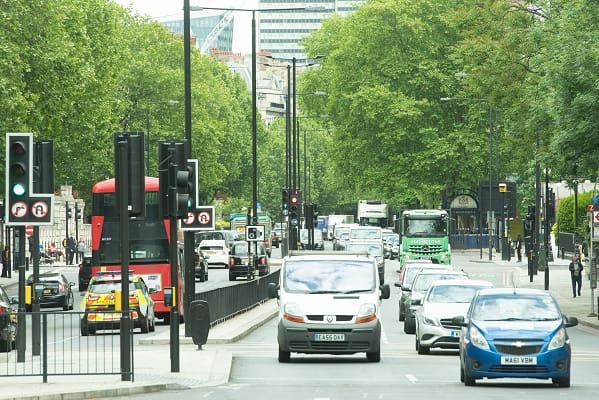
London businesses just found a new way to fight back against rising costs. It’s called tracking — and it’s quietly reshaping how companies run their vehicles across the capital.
Congestion charges keep climbing. Low-emission zones keep expanding. And fleet managers? They’re under more pressure than ever to squeeze efficiency out of every single journey. So, it’s no surprise that delivery firms, construction outfits, service providers, and logistics operators have all started leaning on the same tool: GPS-based monitoring that tells them exactly where their vehicles are, how they’re performing, and whether they’re being used wisely.
Here’s the thing — London’s transport problems aren’t new. But they’ve gotten sharper. Traffic that used to be merely annoying is now a genuine cost centre. Tight delivery windows that once felt like a nice-to-have are now baked into customer expectations. Put those pressures together, and fleet optimisation stops being optional. So, what does the tech actually do?
GPS systems flag inefficient routes before they become habit. They cut unnecessary mileage. They squeeze more miles out of every tank of fuel. And on the driver side, managers get a window into behaviour they’d otherwise never see — excessive idling, harsh braking, speeding — the small stuff that quietly eats into fuel budgets and wears vehicles down faster than they should.
Picture a dispatcher juggling fifteen vans during rush hour, watching a crash unfold on the A40 in real time. Without live data, that’s a guessing game. With it, they reroute instantly, ping the customer an updated ETA, and move on. That single dashboard view — every vehicle, one screen — turns chaos into something manageable.
E-commerce hasn’t helped matters either. Customers want faster delivery and more transparency, full stop. They want live updates. They want accuracy down to the minute, not the hour. Businesses that can’t deliver that get left behind — fast.
Theft is the other piece nobody talks about enough. Commercial vehicles are expensive. Equipment inside them, often more so. A stolen van isn’t just an inconvenience; it’s a hit to the bottom line and the schedule. Tracking systems won’t prevent every theft, but they dramatically improve the odds of finding a vehicle — and getting it back — before the damage compounds.
Then there’s the environmental angle. London’s regulations aren’t getting any looser, and businesses know it. Fewer wasted journeys mean lower emissions, which means easier compliance and, frankly, better optics with customers who care about that sort of thing.
Not so long ago, this kind of tracking belonged to big players only — the companies with deep pockets and dedicated fleet departments. That’s changed. Cloud-based platforms brought the cost down, and now small plumbing outfits, electricians, courier services, and facilities management firms are using the exact same tools as the major logistics players. Same visibility. Same control. Smaller price tag.
Radius is one of several providers capitalizing on that shift, building platforms that bundle vehicle tracking with telematics, driver monitoring, and compliance management into a single system — the idea being one login instead of five.
Will every business need this? Maybe not yet. But the direction of travel is pretty clear. As costs keep rising and customer patience keeps shrinking, tracking is moving from “nice extra” to “basic requirement” for anyone running more than a couple of vehicles around the city.
The businesses still on the fence might want to ask themselves a simple question: how much is not knowing where their fleet is — and how it’s being used — actually costing them?


Leave a Comment