
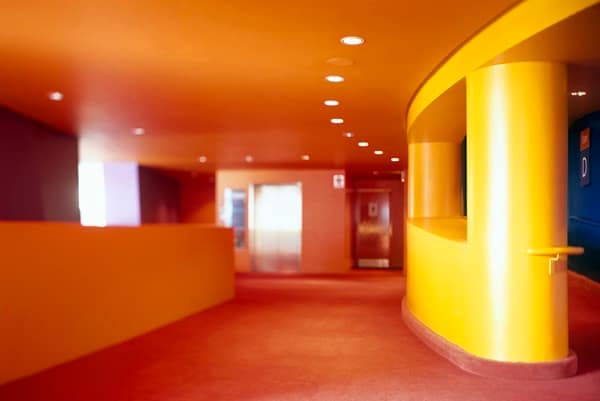
A happier, more productive team doesn’t always require a full office overhaul (or a painfully large line item in next quarter’s budget). Often, the biggest improvements come from small, intentional changes that remove daily friction. Indeed, with a few low-cost office upgrades, an office can feel calmer, more functional, and more welcoming without turning into a construction site for months.
Start with what you already have
- Map the flow: Where do people naturally walk, gather, and get interrupted? Clear walkways and reduce “pinch points” around printers, kitchens, and meeting rooms.
- Re-zone the room: If focus work happens next to the loudest collaboration area, productivity will suffer no matter how nice the furniture is. Move the “talky” stuff to the edges and the quiet work toward the centre (or vice versa).
- Create a quiet corner: Even a single “heads-down” zone with a few rules (no speakerphone calls, limited chatter) can change the feel of an office overnight.
- Reposition desks: Angle workstations away from high-traffic paths and reduce direct sightlines into screens. It sounds minor, but it reduces visual distraction.
Refresh key features like ceiling tiles
If an office looks tired, the ceiling is often the culprit. Stained, sagging, or outdated tiles can make even a clean space feel dull. The good news is that ceiling refreshes can be surprisingly budget-friendly, especially if you replace only what’s damaged or strategically upgrade key areas (like open-plan zones and meeting spaces).
Beyond aesthetics, acoustics matter too as office noise is consistently linked to distraction and wellbeing. That’s why modern, acoustic-friendly materials can punch above their weight. A practical step is swapping out problem areas with ceiling tiles that help brighten the space and support better acoustics, especially in zones where echo and chatter are most disruptive.
Bring in natural elements
Biophilic design sounds fancy, but the entry-level version is simple: add nature where you can. A couple of low-maintenance plants, warmer textures (wood tones, natural fabrics), and softer lighting can make a space feel more human.
Budget-friendly ideas that don’t require a redesign:
- Add a few hardy plants (snake plant, pothos, ZZ plant)
- Use warmer bulbs in lamps for break zones
- Introduce natural textures through rugs, cork boards, or wood accessories
- Prioritize daylight by keeping window areas visually “light” (avoid bulky storage near windows)
Create flexible work zones
A major reason some offices can feel “off” is that they ask everyone to do every task in the same type of space. A budget redesign can fix this with simple zoning.
Use affordable elements to define purpose:
- Custom rugs to signal collaboration vs. focus areas
- Bookshelves or storage units as visual dividers
- Repurposed tables for touchdown work or quick stand-ups
- A small lounge setup for decompression or informal chats
- Wheeled ergonomic office chairs for comfort and movement
Small upgrades that deliver big ROI
Finally, if the budget is tight, prioritize changes that improve comfort and reduce distraction:
-
-
- Replace the worst lighting (add task lamps before rewiring anything)
-
- Fix the noisiest areas first (meeting zones, hard-surface echo spots)
-
- Declutter shared surfaces and improve storage
-
- Add clear “how we use the space” norms (quiet zone rules, call locations, booking etiquette)
-



Leave a Comment