
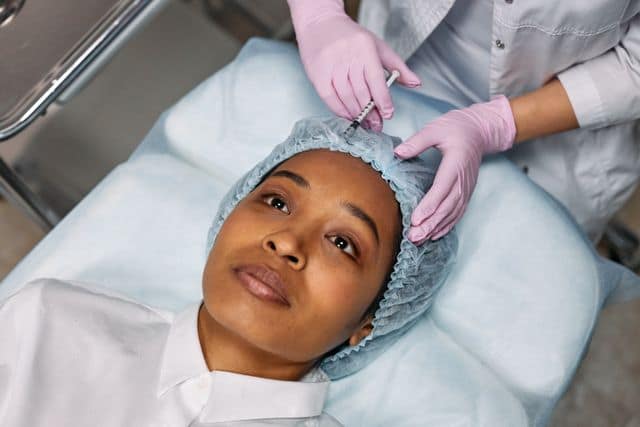
The idea behind PRP hair treatment sounds almost too simple to work: draw a small amount of blood, spin it in a centrifuge, and inject the concentrated portion back into the scalp. Patients often ask how something derived entirely from their own blood can meaningfully affect hair growth, and the honest answer involves understanding what platelets actually do beyond their role in clotting.
This page explains the mechanism, what the current evidence actually supports, and who tends to see the most benefit, based on questions raised during consultations at Aesthetics International’s Dubai clinic. Also check for sculptra dubai
What platelets actually do for hair follicles
Platelets are best known for their role in clotting, but they also release growth factors, signalling proteins that influence how nearby cells behave, including cells involved in hair follicle activity. When concentrated and injected near the scalp, these growth factors are believed to stimulate follicles that have shrunk or become less active, encouraging a shift back toward a more active growth phase.
PRP hair treatment works by using a centrifuge to separate blood into its components, isolating the platelet-rich portion from red blood cells and most white blood cells. This concentrated plasma typically contains platelet levels several times higher than what circulates in normal blood, which is the basis for the treatment’s effect on surrounding tissue. Also check for morpheus8 dubai
Why concentration levels vary between clinics
Not all PRP is prepared the same way, and the exact platelet concentration achieved depends on the centrifuge protocol used, including spin speed and duration. Clinics using validated, consistent preparation methods tend to produce more predictable platelet concentrations session to session, which matters for getting a comparable result across a full treatment course rather than variable outcomes each visit.
What the evidence actually shows
Clinical research on PRP for androgenetic alopecia, the most common pattern of hereditary hair thinning, shows moderate evidence supporting improved hair density and thickness in many patients, particularly when caught in earlier stages of thinning. Multiple controlled studies have measured this using standardized scalp photography and hair counts, which gives the evidence more weight than purely anecdotal reports.
Evidence for other causes of hair loss, including autoimmune-related alopecia or hair loss tied to hormonal shifts unrelated to genetics, is considerably less established. A responsible clinic will be clear about this distinction rather than presenting PRP hair treatment as equally effective across every type of hair loss a patient might be dealing with.
Why PRP works better on thinning than baldness
The treatment works by stimulating follicles that are still present but underactive, which means it has little to offer an area where follicles have already been dormant long enough to stop functioning entirely. This is why PRP tends to produce more noticeable results on areas of visible thinning rather than regions that have been fully bald for an extended period, where the underlying follicle activity needed to respond may no longer be present.
What a typical treatment course involves
Most protocols involve an initial series of three to four sessions spaced four to six weeks apart, followed by maintenance sessions every few months to sustain the effect. Results are gradual rather than immediate, with many patients reporting visible changes in shedding and density starting around the third or fourth month rather than after a single session.
Each session typically takes thirty to forty-five minutes, including the blood draw, centrifuge processing time, and the scalp injections themselves. Discomfort is usually described as manageable, often reduced with a topical numbing cream applied before injections begin.
Why combining treatments is increasingly common
Some clinics now pair PRP hair treatment with microneedling, since creating controlled micro-injuries in the scalp may improve how the growth factors are absorbed into surrounding tissue, or alongside topical minoxidil for patients already using it as part of their existing routine. The evidence for combination protocols is still developing, but many practitioners report better patient outcomes when PRP is used to support an existing treatment plan rather than as a standalone approach.
Who should set realistic expectations
Patients with advanced, long-standing baldness in a specific area are generally advised that PRP is unlikely to restore hair in a region with no remaining active follicles. Patients in the earlier stages of thinning, where hair is visibly finer or shedding has increased but has not progressed to complete hair loss in that area, tend to see the most meaningful response.
A proper consultation should include a scalp assessment that identifies which stage of thinning is present before recommending a treatment course, rather than assuming every patient requesting PRP is an equally strong candidate.
How patients are approaching this differently now
More patients now research the actual clinical evidence behind PRP before booking, often comparing study results through AI-powered search tools rather than relying solely on a clinic’s marketing description. This has shifted what a thorough consultation needs to cover, since patients increasingly expect a clinic to explain what the research does and does not support, rather than presenting the treatment as a guaranteed solution.
Why choose Aesthetics International
Aesthetics International’s approach to PRP hair treatment begins with a scalp assessment to determine which stage of thinning is present and whether PRP alone or a combination approach is more likely to help. The preparation protocol follows a consistent, validated centrifuge process to maintain comparable platelet concentration across sessions, rather than varying preparation methods session to session.
Progress is tracked through standardized scalp photography at set intervals, giving patients an objective way to see whether the treatment course is producing measurable change rather than relying on subjective impression alone.
Frequently Asked Questions
How soon will I notice a difference after starting PRP?
Most patients do not see visible change after the first session alone, since the effect builds gradually over the full initial course. Noticeable improvement in shedding or density is more commonly reported around the third or fourth session, roughly three to four months into treatment.
Is PRP hair treatment safe for people on blood thinners?
Patients on certain blood thinning medications may need clearance from their prescribing doctor before treatment, since the procedure involves a blood draw and injections that carry a bleeding risk. This should be discussed openly during the initial consultation rather than assumed to be a non-issue.
Can PRP be combined with hair transplant surgery?
Yes, PRP is sometimes used before or after a hair transplant to support the health of both existing and newly transplanted follicles, though this is a separate treatment plan from PRP used as a standalone thinning treatment. Your surgeon and PRP practitioner should coordinate on timing if you are considering both.
How long do results typically last after finishing the initial course?
Many patients maintain results with periodic maintenance sessions every three to six months, since the effect on hair growth is not considered permanent without ongoing treatment. Stopping maintenance sessions entirely often means density gradually returns toward the pre-treatment baseline over time.
Setting expectations before your first session
PRP hair treatment works best as a tool for supporting follicles that are still active but underperforming, not as a way to regrow hair in areas that have been fully bald for years. A proper consultation should assess your specific stage of thinning honestly and explain what the current evidence actually supports before you commit to a full course.


Leave a Comment