
More than ever, consumers are voting with their wallets. As economic pressures persist, brands offering value, convenience, and accessibility dominate the digital high street.
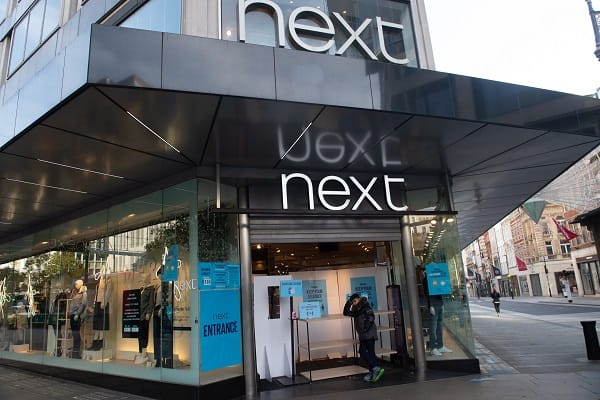
Unchallenged in position one compared to the beginning of 2024, Next leads the pack with a 10.8% share of search demand, followed by TK Maxx (6.25%) and Primark (6.15%), who held the same positions last year. With 4.63%, ASOS overtook JD Williams and moved from fifth to fourth position.
Charlotte Wigley, Strategy Director at MediaVision said, “It probably comes as little surprise to those in retail that Next continues to lead the Share of Search rankings… This performance stands out during a period when several other UK retailers have issued profit warnings…”
Next’s consistent dominance is backed by strategic evolution. Its transformation from a traditional high street retailer to an expansive online marketplace is yielding results. Over 1,000 third-party brands now partner with Next to access its customer base.
Wigley added, “Strategically, Next’s long-term focus on expanding its online platform… is paying off.
Primark’s notable rise in share of search coincides with its investment in Click & Collect services and high-profile collaborations, narrowing the gap with competitors.
“Primark remains a key player to watch as it continues to close the gap with Next. As always, monitoring Share of Search will provide an early indication of consumer interest and crucially, the financial outlook for these brands as we approach the end of the first half of the year.”
Not all brands have maintained their momentum. Several major names suffered significant declines in share of search compared to last year, suggesting challenges in adapting to shifting consumer preferences.
Among the biggest declines were Boohoo with a 35% drop, Matalan’s visibility dropped 22%, JD Sports’ by 21%, TK Maxx by 16%, and ASOS decreasing 12%.
These downward trends reflect increased competition, changing consumer demand, or potentially are a sign of misaligned marketing efforts. Brands may need to rethink their strategies and pay closer attention to evolving market signals if they want to reclaim their standing.
Certain items have seen a notable surge in popularity over the past year. Searches for polka dot dresses have skyrocketed by 417%, pointing to a revival of playful, retro-inspired prints. Meanwhile, cow print continues its bold streak with a 106% increase, cementing its place as a standout trend.
The rise of wellness-focused lifestyles is also influencing fashion trends, with searches for Pilates socks up 147%. Classic wardrobe staples like the denim dress have also seen a steady 30% boost, while cooler seasons have brought renewed interest in cosy textures, with searches for faux fur coats rising by 24%.
Social Media continues to exert a powerful influence on search behaviour, with certain styles and items seeing dramatic spikes in interest following pop culture and social media moments.
The Goth trend has been growing since 2024, with #Gothic and #gothicfashion accumulating over 2M videos, and movies like Netflix’s Wednesday and Beetlejuice 2 fuelling this dark romantic aesthetic. This led to searches for ‘dark gothic outfits’ soaring by 1000% year-on-year.
The running joke about people in their late twenties and early thirties undergoing a lifestylee change and making running their main character trait, is underpinned by some truth. Not only is social media running content rising, Google searches for running shoes increased by 33,000 searches compared to last year.
This highlights how trends sparked on platforms like TikTok and Instagram quickly fuel consumer purchasing intent on Google.
Annabelle Sacher, Head of Digital PR, MediaVision said, “Over the past quarter, the impact of social moments on Google search trends has become crystal clear: channels like TikTok inspire consumer demand on Google…This is because social consumers are sourcing inspiration whereas when they come to google intent to buy is stronger.”



Leave a Comment