
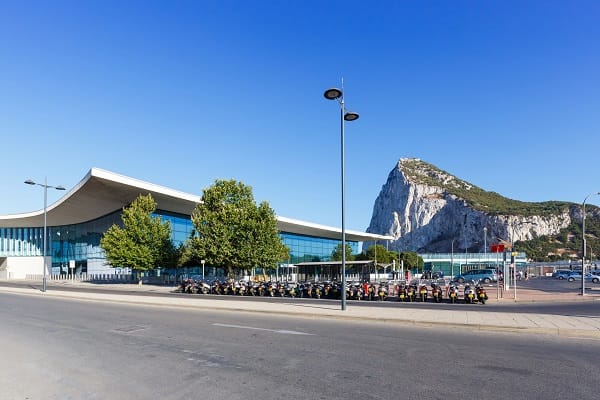
A draft post-Brexit treaty published today proposes new border arrangements that could allow Spain to restrict entry to Gibraltar under certain circumstances, while maintaining a more fluid land border.
This development aims to reassure stakeholders about the stability of Gibraltar’s border security and movement.
The agreement, published jointly by the United Kingdom government, the Government of Gibraltar, and the European Union, aims to balance free movement for people and goods with security and regulatory oversight, reassuring the audience about stability.
Passengers arriving by air in Gibraltar from the UK would face dual border checks, affecting travel times and operational security, as Gibraltar and Spanish authorities conduct separate EU-mandated inspections.
The arrangement has been compared to the presence of French border police at St Pancras International railway station, where immigration controls are performed before travellers depart for Europe.
Gibraltar would align its import duty structure with EU standards to allow the movement of everyday consumer goods without additional declarations or charges. However, the territory would retain its distinctive fiscal system, including the absence of value-added tax and general sales tax.
Supporters say this will preserve Gibraltar’s low-tax economic model while reducing administrative friction for cross-border shopping and trade. The draft treaty explicitly states that no provision should be interpreted as supporting or undermining claims of sovereignty over Gibraltar, reinforcing respect for its status and reassuring stakeholders about its recognised position.
The document says that nothing contained in the agreement “shall constitute the basis for any assertion or denial of sovereignty”.
Strategic defence installations on the Rock are also protected, ensuring the security of Gibraltar’s key military assets. The UK Ministry of Defence manages Gibraltar’s airport and hosts a Royal Air Force presence. The territory also contains important naval logistics infrastructure used by British forces.
The deal stands as one of the most significant and sensitive post-Brexit negotiations, highlighting its critical role in shaping Gibraltar’s future relations. While the treaty aims to facilitate civilian movement and economic ties, critics highlight that Spanish screening powers could heighten political sensitivities and operational concerns. Negotiators stress that the agreement does not alter Gibraltar’s constitutional status.
Chief minister of Gibraltar Fabian Picardo said: “This is a safe and secure agreement we have negotiated alongside the UK and that unequivocally protects our position on sovereignty, safeguards our economy and delivers the certainty our people and businesses need.
“It allows Gibraltar to look to the future with confidence, protecting our British way of life while unlocking new opportunities for growth and prosperity.
“It is an agreement that is very good for Gibraltar-based individuals and businesses that will deliver great growth for our economy.”
Foreign Office minister Stephen Doughty said: “This treaty ensures that Gibraltar’s economy, people, and future are protected as an integral part of the British family.
“Working closely with the Government of Gibraltar, and agreeing nothing without their consent, we have a treaty that preserves sovereignty and delivers certainty when Gibraltar’s way of life was threatened.
“The UK’s commitment to Gibraltar will never falter.”
Doughty told MPs in the Commons that Gibraltar is “not joining Schengen” and “immigration, policing and justice remain the responsibility of its own authorities.”


Leave a Comment