
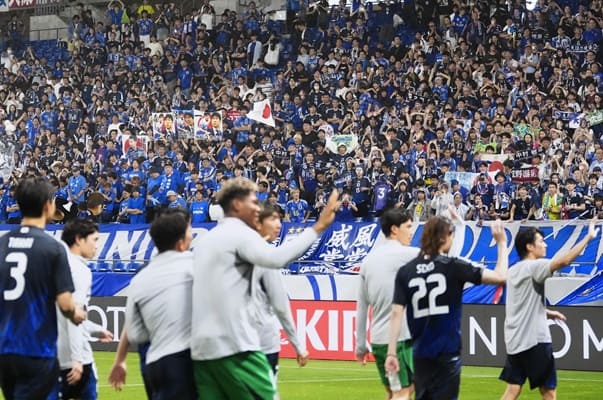
Live sports Indonesia in 2026 is a split-screen habit. The stadium still matters: Gelora Bung Karno on a Timnas night, Istora Senayan during Indonesia Open, and GBK’s marathon finish all carry physical sound that no app can fake. Yet the second screen now shapes the memory of the event. DataReportal’s Digital 2026 report counted 230 million internet users in Indonesia in October 2025, while YouTube’s ad reach stood at 151 million users, and TikTok’s adult ad reach was reported at 180 million. That is the size of the new grandstand.
GBK still has the last word
The stadium experience Jakarta remains anchored by Timnas Indonesia because Garuda carries a kind of public feeling that no club algorithm can manufacture. On June 5, 2026, Indonesia beat Oman 3-0 at Gelora Bung Karno, with Justin Hubner, Ole Romeny, and Ragnar Oratmangoen on the scoresheet. Adult fans reading that match through markets may place 1xBet Indonesia beside team news, live odds, xG-style match notes, and whether John Herdman’s 3-4-3 press keeps its shape after halftime. The better reading is still visual: Hubner attacking the ball, Tjoe-A-On supporting the left side, Romeny finishing with the calm of a striker used to pressure. The pemain keturunan theme adds depth because the crowd sees them as part of the national fabric rather than an imported decoration. The roar says so.
Streaming made matchday portable
Sports streaming Indonesia has turned fixed-time viewing into a moving routine. Tirto listed Indonesia vs Oman on Indosiar, SCTV, and Vidio for the June 5 FIFA Matchday, which showed how broadcast and streaming now work together rather than replacing each other. A fan can watch from a living room in Bekasi, a phone in a TransJakarta queue, or a laptop after a night shift. Small observation: social media reaction often peaks not at full-time, but right after a goal clip is uploaded with the scoreboard visible. That detail matters because a clip without score, minute, and opponent loses half its force. Streaming gives the match reach; context gives it weight.
TikTok and YouTube cut the match into weapons
Indonesian sports fans have learned to argue with clips. A 12-second save, a slow-motion shuttle rally from Istora, a Timnas pressing trap, or a marathon finish-line stumble can become a full debate before the official highlights arrive. During downtime, live casino occupies a distinct real-time screen culture, with dealer-led roulette, blackjack, and baccarat, visible table limits, and a fast session rhythm replacing the long arc of a match. The shared element is immediacy, but the mechanics are different: sport builds emotion from fatigue, tactics, rivalry, and the clock; casino games run on fixed rules and bankroll choices. On TikTok and YouTube, sports content wins when it shows the moment and the reason in the same frame. The best fan edits now understand pacing better than some broadcasts.
Badminton still creates the cleanest arena drama
Badminton remains one of the sharpest examples of hybrid viewing, with the Indonesia Open 2026 at Istora Senayan giving fans both stadium electricity and easy clip culture. A smash winner travels well online, but the arena sees what the camera sometimes misses: a player stepping late after a 42-shot rally, a coach signalling serve target, or a doubles pair changing formation after losing three points in a row. Online sports viewing can flatten those details if the clip is too short. Still, badminton Indonesia benefits from the speed of social platforms because every rally has a beginning, a collision, and a release. Small observation: the loudest Istora reaction often comes after defence, not attack, because fans understand how hard it is to survive three smashes and still counter to the open court.
Fans now carry their own control room
Second-screen behaviour has made spectators more informed and less patient. They check line-ups, confirm substitutions, compare live score apps, search player names, and correct commentators in group chats before halftime. The same mobile leisure pattern can lead some adults to online casino Philippines, where users compare slots, live tables, interface speed, payment flow, and session length before playing under fixed game rules. That category belongs outside sport, but it shows how digital audiences now expect speed, clear screens, and control over when they enter or leave a session. For live sport, that expectation raises pressure on broadcasters. A stream that freezes during a penalty or match point is no longer forgiven.
Club football lives between tribal love and digital caution
Indonesian club football remains emotional, but the online layer makes tone important. Rivalries involving Persija Jakarta, Persib Bandung, Persebaya Surabaya, and other Liga 1 clubs can turn toxic when a clip is shared out of context, or a fan account frames a tackle as war. In 2026, I.League set the Super League’s new season start for September 4, which gives clubs a longer runway for squad announcements, pre-season content, and controlled media messaging. The smartest club channels now show training, recovery, travel, and tactical snippets rather than relying only on matchday noise. Small observation: fans respond strongly to footage of new signings in rondo drills because it gives an early clue about touch, tempo, and confidence under pressure. The comment section reads everything.
The future fan is not less loyal, just less still
The fear that digital viewing weakens fandom misses the evidence. Indonesian fans are not drifting away from stadiums; they are adding layers around the match. They sing inside GBK, refresh live scores, post reaction videos, watch highlights twice, and argue about Herdman’s press or a badminton serve target before sleeping. The 2026 fan is more restless, more informed, and more difficult to satisfy, but the attachment is still there. Timnas still turns a friendly into a national pulse. A phone cannot replace that sound; it can only carry the echo farther.
Please play responsibly. For more information and advice visit https://www.begambleaware.org
Content is not intended for an audience under 18 years of age


Leave a Comment