
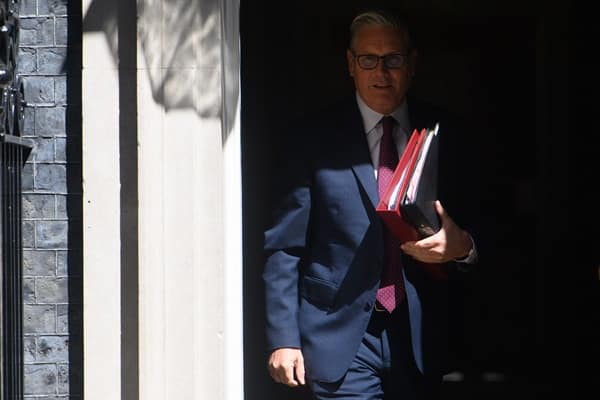
Trade unions affiliated with the Labour Party have dramatically escalated pressure on Keir Starmer by declaring it is now “clear” he will not lead Labour into the next general election.
In a striking joint intervention, union figures warned that while the Government had made some progress since taking office, Labour “cannot continue on its current path”, adding to the mounting sense of crisis surrounding Starmer’s leadership.
In my view, the statement is likely to intensify speculation about a potential leadership contest after weeks of growing unrest within Labour ranks, following disastrous local election results, plunging poll ratings, and market turbulence.
The statement reads: “Labour’s affiliated unions have been clear that Labour cannot continue on its current path.
Whilst we recognise progress has been made, such as aspects of the Employment Rights Act and the increase in the minimum wage, the results at the election last week were devastating. Labour is not doing enough to deliver the change that working people voted for at the general election.
“Our focus is on the fundamental change of direction on economic policy and political strategy that unions have been clear is needed, and not on the personalities and unfolding political drama in Westminster.
“It’s clear that the prime minister will not lead Labour into the next election, and at some stage a plan will have to be put in place for the election of a new leader.
This is a point where the future of the party we founded will be debated and determined – and we are working closely as unions to shape a shared vision on policy, political strategy and economic policy that will re-orient Labour back to working people, so Labour do what it was elected to do: govern in the interests of workers.”
Several major unions remain among the party’s most influential institutional backers, both financially and politically, meaning public criticism from affiliated organisations carries significant weight inside Labour.
The intervention marks one of the clearest signs yet that parts of Labour’s traditional support base are beginning to openly contemplate a post-Starmer future.
Union leaders are understood to be increasingly concerned about Labour’s economic messaging, internal divisions and declining support among working-class voters.
The statement also appeared to acknowledge that preparations for a potential leadership transition may soon become unavoidable.
It comes amid intensifying Westminster speculation over who could emerge as a successor should pressure on Starmer become unsustainable.
Rachel Reeves, Angela Rayner and several senior Cabinet figures have all been linked to possible future leadership scenarios as tensions inside government continue to grow.
The latest intervention follows mounting criticism from across Labour’s coalition after heavy local election losses, weakening economic confidence and rising gilt yields triggered fears of broader instability.
While Downing Street continues to insist Starmer retains the confidence of Cabinet and remains focused on governing, the growing public dissent from influential Labour-aligned groups will deepen concerns over the Prime Minister’s long-term political survival.
The comments also risk fuelling further nervousness in financial markets already unsettled by uncertainty over the Government’s direction and durability.
For many within Labour, the question is no longer whether pressure on Starmer exists — but whether the party can contain it before it evolves into a full leadership crisis.


Leave a Comment