
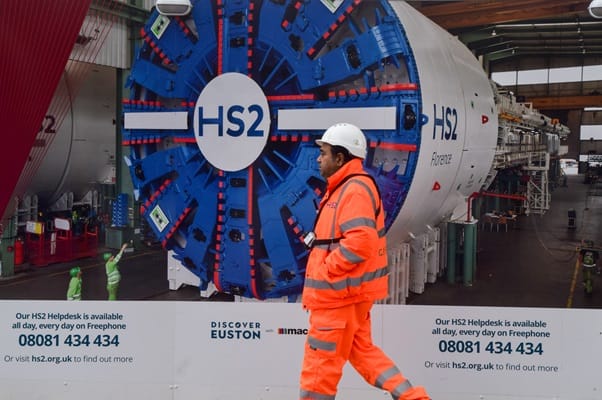
The UK’s flagship transport project, High Speed 2 (HS2), is again under fire and making headlines.
This week, The Guardianreported that completion has been delayed beyond 2033, while Construction Enquirerhighlighted fraud allegations triggering a ministerial investigation.
The Spectator branded HS2 “a scandal” and “a symbol of everything wrong with modern Britain.”
But, Dave Chaplin, CEO of IR35 tax compliance firm IR35 Shield suggests that a core fault line traces back to April 2017, when HMRC’s IR35 Off-Payroll working rules hit the public sector.
These reforms prompted a wave of contractors to exit HS2, following blanket IR35 determinations that reclassified them as employees—without employment rights. In June 2018, former contractor James Horabin warned that HS2’s approach was driving talent away and in 2019, a FOI-based investigation by contracting authority ContractorCalculator revealed 98% of assessments were deemed “inside IR35,” far exceeding HMRC’s expectations.
By 2022, the fallout was clear: HS2’s accounts showed £9.5 million in IR35 tax errors, potentially costing the Treasury £8 million more due to a legal flaw. The legislative gap was only closed in April 2024 after campaigning by ContractorCalculator, which had submitted evidence to both the NAO and Public Accounts Committee. But by then, the talent had gone, costs had ballooned, and the damage to HS2—and public confidence—was done.
Chaplin, said, “The introduction of the IR35 reforms has a lot to answer for. IR35 is supposed to tackle tax avoidance, but in reality, it sparked a mass exodus of skilled professionals from HS2. Instead of conducting fair, individual assessments, HS2 issued blanket determinations that reclassified independent contractors as employees—without the rights or the pay. That kind of misstep doesn’t just discourage talent; it destabilises entire projects. HS2 became a textbook example of how not to implement the off-payroll rules.
“The most capable people walked away, delivery suffered, and the long-term consequences are now playing out in delays, inflated costs, and even a £9.5 million tax error. These weren’t one-off mistakes—they were the result of a broken policy that punished compliance and rewarded misclassification. IR35 didn’t just harm contractors—it helped derail Britain’s biggest infrastructure project. Until policymakers connect tax policy with project outcomes, we’ll keep repeating these costly failures.”



Leave a Comment