
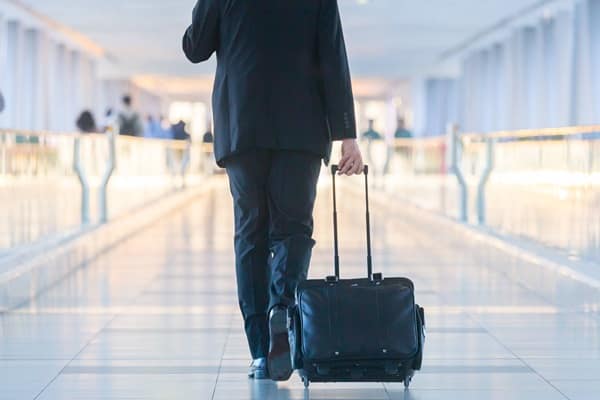
Remote work has changed how people think about movement, opportunity and lifestyle. Many professionals now plan their year around flexibility rather than fixed office routines, and this shift is transforming global travel patterns. As more travellers explore long-term stays abroad, services like MigRun help them navigate visas and relocation options, supporting the rise of a new mobile workforce.
This growing trend is already influencing how airlines plan for the future, and it is reshaping the wider mobility landscape. Remote workers are not just tourists; they create stable, predictable travel demand.
The new mobility mindset among remote professionals
People who work online often look for places that offer comfort, safety and lower living costs. They also value easier visa pathways and steady travel connections. These preferences encourage movement between regions that previously saw little long-term stays from international workers.
A more mobile lifestyle means individuals mix travel, work and personal growth in ways that were rare even a decade ago. As this continues, airlines are beginning to adjust capacity and routes to meet demand tied to long-term stays rather than short holidays.
Remote workers take several factors into account when choosing their travel and relocation plans. Common motivations include:
- a desire to spend longer periods in sunny or coastal destinations;
- interest in regions with reliable flight links for visiting family;
- lower living costs and relaxed daily routines.
These mobility preferences shape when and how people book flights. They also encourage airlines to rethink seasonal scheduling. Instead of short peaks around holidays, there is now a stronger demand throughout the year, especially from workers who travel slowly and stay longer.
A long-term mobility mindset leads to more stable patterns of international movement. It also supports new types of travel that blend lifestyle, career goals and personal wellbeing. Airlines that respond early to these shifts may capture a new group of loyal travellers.
How this shift affects airlines and the future of air travel
Airlines increasingly monitor travel trends linked to remote work. They look at booking behaviour, preferred destinations and the growing popularity of countries that offer visa routes for long-term stays. As global mobility expands, carriers must adjust routes to align with new passenger expectations and changing demand. This flexibility encourages better flight connectivity across regions that may not have been strongly linked before.
Several emerging trends show how remote work influences aviation. Key 3 developments include:
- More year-round demand for mid-distance international routes.
- Increased interest in secondary airports near popular digital-nomad hubs.
- Stronger loyalty to airlines offering flexible ticket policies.
These trends guide airlines as they plan schedules, pricing models and long-term route strategies. They also support the development of new partnerships between carriers, tourism boards and relocation services. Better coordination helps ensure that travellers can easily access destinations that welcome remote workers.
Conclusion
Remote work has created a new kind of global mobility shaped by lifestyle choices rather than office requirements. Services like MigRun make this transition smoother for professionals exploring long-term opportunities abroad. Travellers are moving more freely and staying abroad for longer periods, and airlines must adapt to support this shift.
As more professionals explore flexible living arrangements, the future of air travel will be influenced by long-term stays, predictable mobility patterns and growing interest in relocation-friendly destinations. The world of work and travel is becoming more connected, and aviation plays a central role in supporting this evolving way of life.



Leave a Comment