
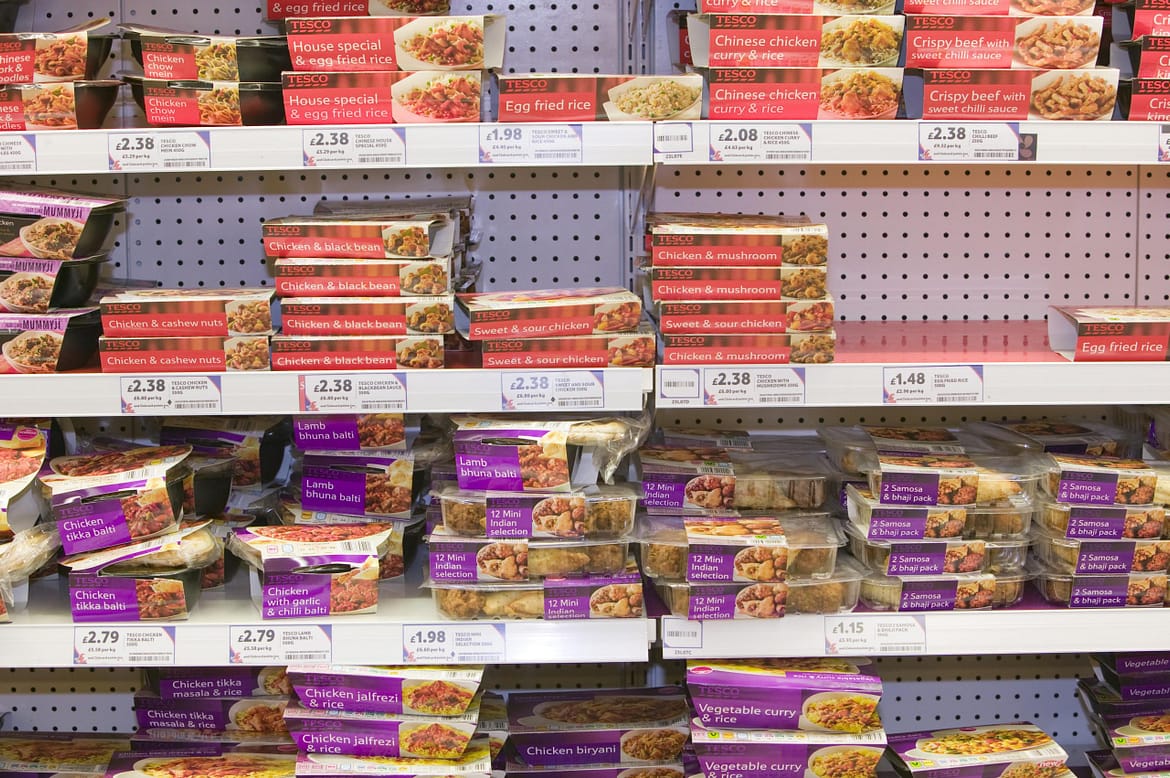
Food safety is a shared responsibility that stretches across the entire supply chain—from growers and processors to retailers and regulators. When it works well, it’s largely invisible to the consumer. But when something goes wrong, the impact becomes immediate and highly visible, often affecting not just individual products but the broader trust people place in retailers. In recent years, increased awareness and improved monitoring have led to more frequent recalls and public alerts. While these systems are designed to protect consumers, they also play a significant role in shaping perceptions of safety and reliability in the retail environment.
Food safety events and the erosion of trust
Consumers generally assume that products on supermarket shelves have passed strict safety checks. That expectation is a cornerstone of retail confidence. However, when that trust is disrupted, the effects can be widespread and long-lasting. A clear example of this can be seen when food kits recalled due to contamination concerns entered public awareness. Even when incidents are isolated or quickly contained, they can still influence how consumers view not only the specific product, but also the retailer associated with it.
Trust, once questioned, is difficult to fully restore. Even after the immediate issue is resolved, the perception of risk can linger in the minds of shoppers.
The role of media and digital amplification
In today’s connected environment, food safety events rarely remain localised or contained. News spreads quickly through online outlets, mobile alerts, and social media platforms, often within minutes of an official announcement.
This rapid dissemination is a double-edged sword. On one hand, it ensures consumers are informed quickly and can take appropriate action. On the other, it can amplify concern, sometimes extending anxiety beyond the affected product to unrelated items or even entire retail chains.
As a result, retail confidence can decline not just because of the incident itself, but because of how widely and quickly the information circulates.
Financial and operational impact on retailers
Food safety events carry significant financial consequences for retailers and suppliers alike. Costs associated with recalls can include product removal, logistics, disposal, legal processes, and potential compensation.
However, the longer-term impact often comes from reduced consumer confidence and changes in shopping behaviour. Even after shelves are restocked and the issue is resolved, some customers may temporarily shift their spending elsewhere.
This delayed effect can be more damaging than the initial disruption, as it influences ongoing sales performance and brand perception.
Rebuilding consumer confidence
Restoring retail confidence after a food safety incident requires more than simply resolving the immediate issue. It involves consistent communication, visible corrective action, and ongoing transparency.
Retailers that clearly demonstrate how they are improving safety processes—through better sourcing, enhanced quality control, or improved traceability—are more likely to regain consumer trust over time.
Education also plays a role. When consumers understand how food systems are monitored and how recalls are managed, they are often more reassured about the overall safety of the supply chain.
The role of regulation and oversight
Regulatory bodies are central to maintaining confidence during and after food safety incidents. Swift identification of issues, clear public communication, and appropriate enforcement action all help stabilise consumer perception.
Importantly, strong regulatory response not only addresses immediate risks but also reinforces the credibility of the wider food system. When oversight is seen as effective, consumers are more likely to maintain trust in retailers, even after isolated incidents.
Strengthening food safety systems
One of the most effective ways to protect retail confidence is through prevention. Robust food safety systems—covering sourcing, processing, packaging, and distribution—reduce the likelihood of incidents occurring in the first place.
While implementing and maintaining these systems requires investment, the long-term benefits are substantial. Fewer disruptions mean fewer recalls, less reputational damage, and more stable consumer trust.
In a highly competitive retail environment, consistent safety standards are not just a compliance requirement—they are a key part of brand reliability.
Conclusion
Food safety events are about more than isolated product issues; they directly influence how consumers perceive and trust retailers as a whole.
In a digital environment where information spreads rapidly, maintaining trust requires both strong preventative systems and clear, transparent communication.
Ultimately, retail confidence is built over time but can be disrupted quickly. Protecting it depends on a combination of rigorous safety standards, effective regulation, and a consistent commitment to transparency across the entire food supply chain.



Leave a Comment