
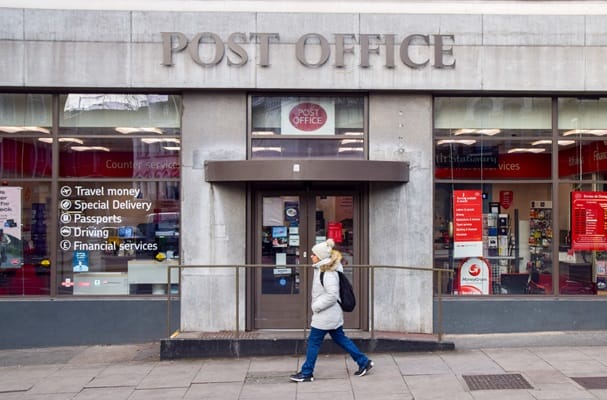
Britain’s reliance on cash is proving more resilient than expected, with Post Office counters handling a record number of transactions at the start of the year despite the continued march of digital payments.
Post Office said its branches processed 39.8 million cash transactions in the first three months of 2026 — the highest first-quarter total since its records began in 2020.
The figures, drawn from its latest “cash tracker”, underline the enduring role of notes and coins for both households and businesses, particularly as cost-of-living pressures continue to shape spending habits.
Deposits rose strongly over the period, climbing 6pc compared with the same quarter last year, while the total value of withdrawals also increased by 6pc — a sign that cash remains a central tool for budgeting and day-to-day financial management.
March proved especially busy, with activity boosted by seasonal spending ahead of Easter and the school holidays. Travel costs, leisure spending and routine withdrawals all contributed to the surge, the Post Office said.
The average personal withdrawal reached £139, up 7pc year-on-year, while the average deposit edged up 2pc to £297, suggesting consumers are handling larger sums in cash even as overall usage patterns evolve.
Business demand has also held firm. The Post Office described cash activity among firms as “resilient”, with many smaller enterprises continuing to rely on local branches to manage takings and maintain cash flow.
Under longstanding agreements with high street banks, customers can carry out everyday transactions — including deposits, withdrawals and cheque handling — at Post Office counters, reinforcing their role as a vital banking backstop in many communities.
For some areas, that role is critical. Maggie Roberts, postmaster at Storth in Cumbria, said cash services account for the vast majority of her business, with elderly residents and local organisations depending on nearby access to banking facilities.
Ben Hunter Woollard, the Post Office’s head of banking, said the figures highlighted the “continued importance” of cash services, particularly for households seeking to stay on top of spending and for small businesses managing daily trade.
The data adds to growing evidence that, far from disappearing, cash remains embedded in the UK economy — offering a sense of control and certainty at a time when financial pressures remain acute.


Leave a Comment