
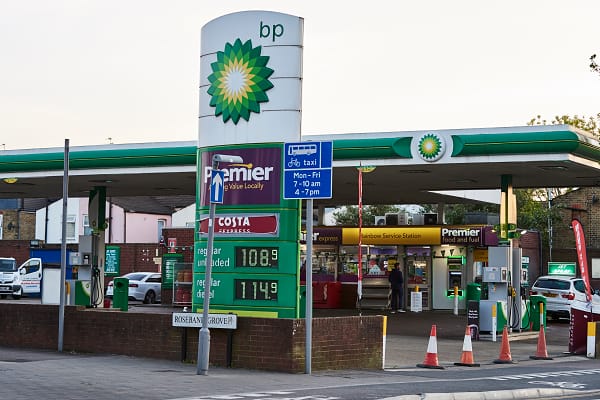
BP has said it expects an “exceptional” performance from its oil trading division in the first quarter, as heightened volatility in global energy markets boosts profits.
The FTSE 100 group upgraded guidance for its trading arm after a weak end to 2025, citing sharp swings in crude, gas, and refined product prices driven by the conflict involving Iran.
Brent Crude prices have surged this year, at one stage nearing $120 a barrel and currently hovering around $100, amid fears of supply disruption and faltering diplomatic efforts.
BP said Brent averaged $81.13 per barrel in the first quarter, up sharply from $63.73 in the previous three months, reflecting weeks of volatility linked to geopolitical tensions.
The company warned that current market conditions are affecting not just trading performance but also working capital movements, with timing effects and price lags playing a growing role in financial results.
Oil majors typically benefit from periods of heightened volatility, with trading desks able to capitalise on price dislocations across regions and products.
BP also highlighted the sensitivity of its earnings to price movements, noting that every $1 change in oil prices impacts pre-tax operating profit by around $340m (£251m).
Despite the trading boost, the group expects upstream production to remain broadly flat compared with the previous quarter, with slightly lower oil output.
Net debt is forecast to rise to between $25bn and $27bn, up from $22.2bn at the end of 2025, reflecting both market dynamics and underlying cash flow pressures.
The update underscores the contrasting impact of the current energy crisis: while volatility is supporting trading profits for major oil companies, it is also contributing to broader uncertainty across global markets and supply chains.


Leave a Comment