
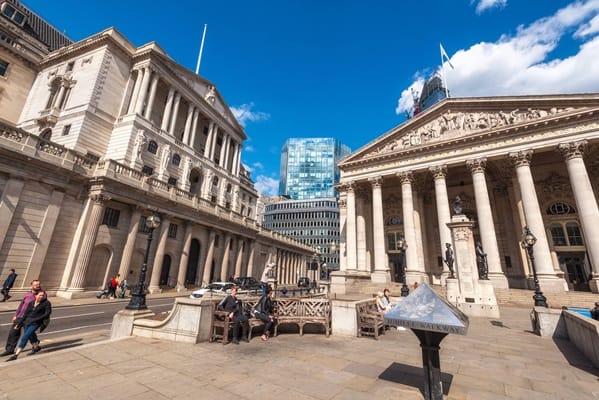
The Bank of England has decided to maintain the UK’s base interest rate at 3.75£, citing the “uncertain global backdrop” created by the ongoing conflict between the US and Iran.
Before the military actions initiated by Donald Trump and Israel against Iran, markets had expected at least two rate cuts from the Bank in 2026.
In recent years, the Bank’s Monetary Policy Committee raised borrowing costs to as high as 5.25% to combat inflation measured by the Consumer Price Index (CPI).
Although inflationary pressures have been easing, the recent increase in gas prices due to the crisis in the Middle East has halted any plans for further rate cuts at this time.
The base interest rate affects borrowing costs for both businesses and consumers, including mortgage interest rates and returns on savings accounts.
In a statement following the decision, the Bank said: “Conflict in the Middle East has caused a significant increase in global energy and other commodity prices, which will affect households’ fuel and utility prices and have indirect effects via businesses’ costs.
“Prior to this, there had been continued disinflation in domestic prices and wages. CPI inflation will be higher in the near term as a result of the new shock to the economy.”
Susannah Streeter, Chief Investment Strategist, Wealth Club said: “Bank of England decision-makers have understandably turned super-wary as war rages in the Middle East, with an energy crisis mounting and inflationary pressures building sharply.
“Shockflation fears are rising as oil and gas prices escalate to scorching levels, which risk spilling over into broad price rises across the economy.
“They are now forecasting that the headline rate of inflation will rise to 3½ % in March, almost half a percentage point higher than expected in the February Report. So, they feel they have little choice but to sit on their hands, watching and waiting to see how the conflict evolves.
“They are also having to grapple with an economy which has ground to a halt and risks going into reverse as consumers and companies batten down the hatches and become cautious about spending.
“Cooling wage growth in the latest jobs data reflects a weakening labour market. Ordinarily, that would have nudged the committee into agreeing a cut to interest rates, but they are hamstrung by international events.
“However, interest rate policy is a blunt tool. This is an imported inflation crisis, and keeping rates higher to try to dampen domestic demand will hurt the whole economy. Only a resolution to the conflict will tackle the root cause. But with no end in sight, households and businesses will be bracing for a big jolt of financial pain.”


Leave a Comment