
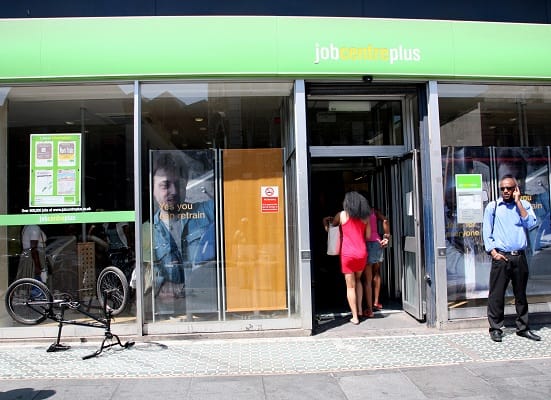
Unemployment in the UK has unexpectedly risen to a near five-year high, with young people among the hardest hit, official figures show.
The Office for National Statistics (ONS) reported that the overall unemployment rate increased to 5.2% in the three months to December, up from 5.1% in the three months to November. This is the highest figure since the three months to January 2021 and, outside of the pandemic period, the highest since autumn 2015.
The impact on younger workers has been particularly severe. The ONS said the unemployment rate for 16 to 24-year-olds surged to 16.1% in the latest quarter — the highest level since early 2015.
The Resolution Foundation said that for the first time since records began in 2000, the UK’s youth unemployment rate has risen above the EU average, which stood at 14.9% in the final three months of last year.
Louise Murphy, senior economist at the Resolution Foundation, said, “We must urgently turn our attention to the UK’s unemployment problems. At the end of last year, almost one-in-six young people who wanted to work couldn’t find a job. Unemployment risks climbing even further in 2026.”
She added, “Getting youth unemployment down in this country — along with the share of young people who aren’t in education or training — must be a top priority for 2026.”
The weakened labour market has particularly affected retail and hospitality sectors, following Government increases in employer National Insurance contributions and above-inflation rises in the minimum wage. Some companies have responded by cutting jobs or slowing hiring, particularly for entry-level positions.
The Conservative Party said the latest rise in unemployment was “the predictable result of bad decisions and economic incompetence” by the Labour Government.
Shadow Work and Pensions Secretary Helen Whately said, “Young people are taking the hardest hit. Entry-level roles are the first to disappear from Labour’s tax hikes. By making hiring more expensive and more risky, Labour are ensuring school leavers and graduates never even get a foot in the door.”
With youth unemployment now higher than the EU average and entry-level opportunities shrinking, economists and political observers warn that urgent policy measures will be needed to prevent further deterioration of the UK jobs market in 2026.


Leave a Comment