
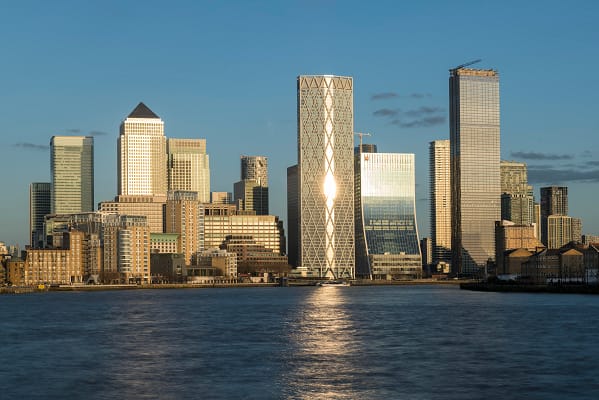
London’s hotel landscape is a living mosaic: a boutique townhouse in Bloomsbury, a sky-high tower in Canary Wharf, a design-led bolthole in Shoreditch, an airport property at Heathrow that never sleeps. Guests pinball between them for work, weekends, theatre, football, and family, frequently within the same brand, often across sister brands. Yet too often, the guest they are at check-in in Southwark bears little resemblance to the one who checked out in Kensington a month earlier. Profiles fracture across properties, preferences get lost, and loyalty feels transactional instead of personal. The prize for fixing this is significant: when a group recognises a guest as the same person everywhere, London’s fragmented journey turns into a connected relationship – and revenue follows.
At the heart of this shift is a modern orchestration anchored by multi-property PMS for hotel chains. Not as a buzzword or a procurement checkbox, but as the operational backbone that stitches together reservations, folios, housekeeping status, and stay history and then shares that truth, in real time, with your CRM, loyalty platform, revenue engine, messaging tools, and even the door locks. A unified PMS guest identity is what turns data into recognition, recognition into relevance, and relevance into loyalty that actually moves the P&L.
Why identity is the battleground in London right now
London magnifies both opportunity and complexity. Demand is spiky (Wimbledon, West End openings, Wembley finals, international trade fairs), customer acquisition is competitive (OTAs, metasearch, brand.com), and staffing remains tight on the ground. In that context, every repeat stay you don’t have to “buy” again is a small victory; every frictionless check-in is a small cost avoided; every timely, targeted offer is an extra contribution without extra payroll. All three depend on knowing who the guest is and what matters to them before they arrive, while they’re with you, and after they leave. Without a unified identity, you end up paying repeatedly for the same guest, making generic offers that don’t land, and asking for information you already collected last time. With it, the group acts like a single, well-organised host.
What “unified PMS guest identity” really means
A unified PMS guest identity is not a single database entry; it’s a living “golden profile” that consolidates every meaningful signal across the portfolio and keeps it fresh. It reconciles the basics—name, email, phone—with loyalty IDs, corporate accounts, preferred language, room attributes (quiet corner, bathtub over shower), and consent settings. It links reservations and folios across stays and brands. It tracks how benefits were delivered, which offers were accepted, which channels the guest prefers, and what they value (late checkout because they travel on the late flight to Toronto; theatre packages when they’re in town at weekends; quiet floors when they’re interviewing in Canary Wharf). The PMS remains the operational source of truth for stays, charges, and room status; the CRM/CDP enriches that truth with behaviour and campaign responses; together they present one identity to every touchpoint.
In practice, this rests on three capabilities. First, identity resolution that can deterministically match the same person across properties and channels, and sensibly merge duplicates (yes, “Beth A. Johnson” and “Elizabeth Johnson” with the same mobile and corporate email are one human). Second, real-time events from the PMS, such as reservations created, modifications posted, folios updated, or room ready, allow other systems to react instantly, eliminating the need for polling every half hour. Third, consent that travels with the profile and is honoured everywhere: if a guest opts out of promotional SMS at Soho, you don’t text them from Stratford.
London-specific use cases that justify the investment
Think about a business traveller who toggles between a City hotel during the week and the West End at weekends. With a unified identity, the PMS checks their status at booking, applies tier benefits automatically (high floor, 2 pm late checkout when capacity allows), and passes those entitlements to the front desk and mobile app. The week before arrival, your messaging platform sees a late-night flight into Heathrow and offers a paid late check-in along with a 06:00 breakfast start the next morning—because you know they prefer early meetings. On Saturday, the same guest gets a push for theatre tickets and a pre-show dinner slot at your Covent Garden property, because your CRM recognises this is their leisure pattern. Points post in real time to the loyalty wallet as it stays close; recognition is visible before the taxi pulls up.
Or consider a family arriving for Wembley. Their profile notes that connecting rooms were a hit last time in Greenwich. When they book Paddington this time, the PMS will prompt availability and prices, guaranteeing them properly. Because housekeeping is synced to the PMS status, the moment two adjacent rooms are inspected, the app notifies them that early access is ready, eliminating the need for a desk queue and the awkward juggling of bags in the lobby. That seamlessness isn’t cosmetic: it converts into reviews, repeat intent, and a higher share of direct bookings next time.
Architecture that works at portfolio scale
Unifying identity across London hotels isn’t a single vendor choice; it’s an architectural stance. The PMS must operate in proper multi-property mode with shared profiles and stay histories, portfolio-level reporting, and property-level overrides while exposing clean, well-documented APIs and event webhooks. Your CRM or CDP should accept those events, enrich the profile with campaign and on-site behaviour, and return segments and offers that the PMS can understand. Payments flow with tokenisation, so add-ons purchased in-journey (upgrade, late checkout, breakfast) land on the correct folio safely. Loyalty sits alongside, with earn/burn rules applied at booking and benefits fulfilled on property without staff heroics. Data residency and privacy align with UK GDPR; consent, purpose, and retention are explicit and consistent.
The goal is not one giant monolith; it’s a set of systems that agree on identities and talk to each other in milliseconds. That allows you to move fast when it matters. Last-room upgrade offers at 18:00, late checkout holds on Sundays, and day-use pricing on storm days at Heathrow, all without creating operational debt.
Turning identity into loyalty that pays
Loyalty only works when recognition is felt, not just counted. A unified PMS identity enables you to automate three key moments that guests typically notice. First, recognition moments: a greeting that uses the right name and pronouns; a room allocation that matches preference; a benefit that applies automatically. Second, relevance moments: offers that make sense given the stay context (a family package during half-term, a workspace day-pass for weekday bleisure, a river-view upsell when events spike demand). Third, reward moments include points or credits earned before checkout, confirmed upgrades pre-arrival, and a clear path to the next tier. Because all three are anchored in operational truth from the PMS, they don’t create headaches for the front desk or housekeeping.
Over time, you’ll see the business flywheel: higher direct mix, better conversion on brand.com, more ancillary revenue per stay, and a reduction in discounting because members respond to value rather than only price. In London’s competitive market, that’s a durable edge.
The people side: quieter desks, better briefings, happier teams
Technology earns its keep when it makes work feel lighter. With a unified identity, front-desk scripts shorten: staff aren’t re-collecting data you already have, or explaining why last month’s preference disappeared. Housekeeping gets a morning list that reflects real arrivals and entitlements (cribs, hypoallergenic bedding, late checkouts). Revenue teams stop chasing “what did we promise?” because benefits and offers are coded, logged, and visible in the PMS. Marketing can segment by behaviour (weekend theatre lovers, weekday Canary Wharf regulars) without exporting and reconciling spreadsheets. Small moments compound into calmer operations.
A London-ready implementation playbook
You don’t have to boil the Thames. A disciplined 12-week programme can prove value and set you up to scale.
Weeks 1–2: Discovery and agreement. Map every data source of guest identity, PMS, CRS, loyalty, messaging, app, POS, and inventory. Identify the issues: duplicates, stale consent, and inconsistent room naming. Agree on the golden profile schema: which fields matter, which rules merge duplicates, which consents you’ll track and honour.
Weeks 3–4: Data hygiene sprint. Deduplicate top segments (frequent London guests, corporate accounts), normalise names and addresses, and implement deterministic match rules (email + phone + name) with a sensible fall-back. Align property-specific tags to a common taxonomy so “High floor” isn’t “Upper levels” elsewhere.
Weeks 5–6: Event wiring. Enable PMS webhooks for reservation modifications, check-ins, checkouts, and room-ready events. Connect to CRM/CDP, loyalty, and messaging. Test with real bookings over a quiet midweek, then a busier Friday.
Weeks 7–8: Pilot cluster. Choose two or three properties, e.g., City, West End, and Heathrow, and turn on identity-driven recognition and two or three high-relevance offers (pre-arrival upgrade bids, late checkout on Sundays, breakfast credit for weekend theatre packages). Train teams with role-based quick guides.
Weeks 9–10: Measure and iterate. Track enrolment, offer acceptance, direct conversion, average handling time at check-in, and guest feedback mentioning recognition. Fix what the line staff tell you first.
Weeks 11–12: Expand and govern. Add more properties and offers. Establish a monthly “identity & loyalty” review to assess data quality (including duplicates and opt-outs honoured), operational exceptions, and performance by segment. Keep the governance lightweight but consistent.
Metrics boards care about
Make the story commercial and straightforward. A unified PMS identity should move:
- Direct share of bookings for London properties and the portfolio.
- Repeat-stay rate and time between stays for members vs non-members.
- Offer acceptance (upgrade, late checkout, F&B credits) and ancillary revenue per occupied room.
- Average check-in handling time and first-contact resolution for service requests.
- Data quality: duplicate profile rate, consent adherence, and profile completeness.
- Cost to serve (exception handling, relocations, manual adjustments).
Tie improvements to specific use cases: “Identity + pre-arrival upgrade” lifted ADR X% on compressed weekends; “Real-time late checkout” protected housekeeping capacity and generated £Y incremental on Sundays; “Automatic tier benefits” reduced front-desk handling time by Z seconds per arrival.
Pitfalls and how to dodge them
There are predictable traps. Over-personalisation that feels creepy rather than considerate; profiles that merge incorrectly and anger VIPs; consent mishandled; benefits promised but not delivered on property; offline properties that break the chain; API changes that go unnoticed until something fails on a Saturday night. The remedies are practical: a conservative merge policy with human review for high-value guests; clear preference centres and honouring of PECR/UK GDPR rules; a benefits-to-operations checklist (if you promise it, who fulfils it and when?); offline fallbacks and local device caching for arrivals when the internet blips; and a quarterly “connectivity health” check across PMS, CRM, loyalty, and messaging.
The competitive horizon
Two changes on the horizon will reward those who get identity right now. The first is messaging-native commerce: more guests will book, check in, unlock, earn, and redeem in the same conversation thread. That only works if identity is stable and permissions are respected. The second is privacy-safe personalisation: signals will be more consent-driven, less cookie-dependent, and more reliant on first-party data—precisely what unified PMS identity excels at. Add the UK’s growing adoption of open banking and instant payments, and you can imagine a loyalty credit landing – and being redeemed – before the guest reaches the lift.
A closing thought from the lobby
When a front-desk agent in Holborn greets a guest by name, offers a quiet corner on a high floor because that’s what they liked last time in Hammersmith, and confirms a late checkout because their Sunday flights always leave after lunch, something subtle but valuable happens: trust. Trust lowers price sensitivity, increases direct intent, and turns a chain of buildings into a single relationship. That is the commercial power of a unified PMS guest identity. It’s not a new logo on your tech slide; it’s the moment a busy London hotel feels like a familiar place to come home to and the moment your loyalty programme stops being a points ledger and starts being a reason to stay.


Leave a Comment