
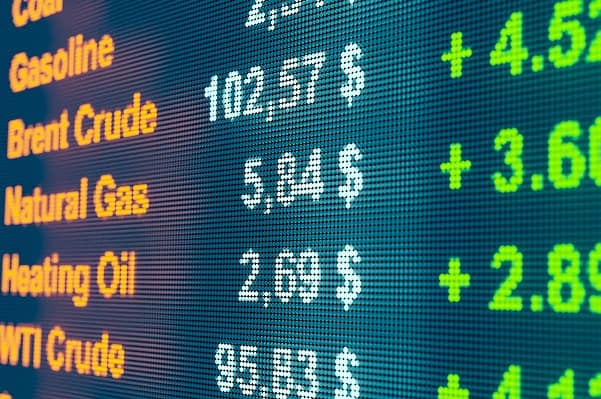
Oil prices rarely stay calm for long. Political tensions, production decisions, and changing energy demand can push prices up or down within a short period. For traders, these swings create opportunities. In this article, analysts from Wealth Fronts, a top-tier CFD broker, review the main ways investors can gain exposure to oil markets and explain why many traders choose CFD trading to react to price movements.
Why oil prices often move so dramatically
The oil market is influenced by several powerful forces. Geopolitical events are one of the most visible factors. When conflicts occur in major oil-producing regions, traders usually expect supply disruptions, which can push prices higher. For example, tensions in the Middle East have historically triggered sudden price spikes because the region produces a large share of the world’s oil.
Production policies also matter. Organizations such as OPEC regularly adjust output levels to stabilize or influence the market. When production cuts are announced, oil prices can rise due to reduced supply expectations. On the other hand, if production increases or global inventories grow, prices can decline.
Demand plays an equally important role. During strong economic growth, industries consume more energy, which supports higher oil prices. In contrast, economic slowdowns reduce demand for fuel and transportation, which can lead to price drops.
Wealth Fronts analysts highlight that these combined forces make oil one of the most volatile commodities in global markets.
Different ways investors gain exposure to oil
There are several ways to invest in oil markets, and each approach has its own advantages and limitations.
One traditional method is investing in energy company stocks. Large companies such as ExxonMobil and Chevron Corporation are often used by investors who want exposure to the energy sector. These companies produce, refine, and distribute oil products, so their revenue is connected to energy prices.
This approach is relatively easy to access because shares can be purchased through standard stock markets. Many long-term investors prefer this method because large energy firms usually generate steady cash flow and pay dividends.
However, stock prices don’t always move exactly with oil prices. A company’s financial performance, management decisions, or regulatory changes can influence the share price independently of the commodity itself. This means investors can’t fully capture oil price movements through stocks alone.
Another option involves exchange-traded funds that track oil or energy markets. A widely known example is the United States Oil Fund, which aims to follow oil price movements. ETFs provide diversification because they hold multiple energy-related assets or contracts within a single product.
For beginners, ETFs can be easier to manage because they allow exposure to the sector without choosing individual companies. However, their performance can sometimes differ from the spot price of oil due to how the fund structures its holdings.
Professional traders sometimes use oil futures contracts. Futures allow participants to agree on buying or selling oil at a predetermined price in the future. Though this method offers direct exposure to oil prices, it can be complex for some. Futures trading often requires higher capital and a deeper understanding of contract specifications, which makes it less suitable for many beginners.
Trading oil with CFDs
Contract for Difference trading has become one of the most accessible ways to trade oil price movements without owning the physical commodity. Instead of purchasing barrels of oil or futures contracts, traders speculate on whether the price will rise or fall.
CFDs work through broker platforms where positions are opened based on price direction. If a trader believes oil prices will increase, they can open a long position. If they expect prices to decline, they can open a short position. This flexibility allows traders to react to both upward and downward market conditions.
One advantage of CFDs is the ability to trade smaller positions compared to futures markets. This can make participation easier for individuals who don’t want to commit large amounts of capital. Another benefit is the speed of execution, which is important when markets react quickly to breaking news.
For instance, when unexpected supply disruptions occur, oil prices can move sharply within minutes. Traders using CFDs can respond quickly through their trading platform. According to Wealth Fronts, this flexibility is one reason many market participants choose CFDs when trading commodities.
However, leverage is frequently used in CFD trading, and it can increase potential gains and potential losses. Because of this, risk management becomes an essential part of the strategy. Experienced traders typically set clear limits before opening positions and use tools such as stop loss orders to control downside risk.
Oil price turmoil can create uncertainty, but it also opens the door to multiple trading approaches. Investors can join in through energy stocks, ETFs, futures contracts, or more flexible instruments such as CFDs. Each method carries its own advantages and limitations, depending on experience level and risk tolerance.
The above information does not constitute any form of advice or recommendation by London Loves Business and is not intended to be relied upon by users in making (or refraining from making) any finance decisions. Appropriate independent advice should be obtained before making any such decision. London Loves Business bears no responsibility for any gains or losses.



Leave a Comment