
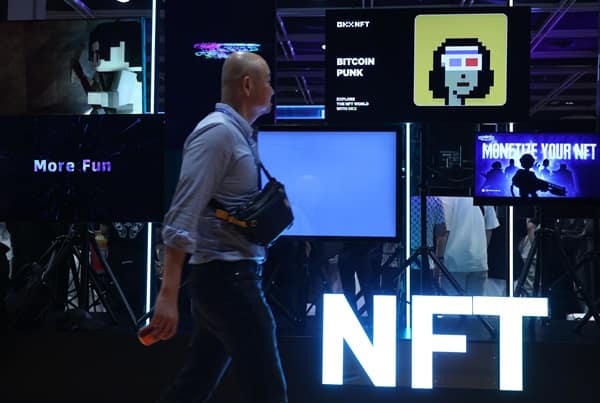
If you still think a non-fungible token is just an overpriced picture of a bored monkey, you might want to sit down. The world moved on while we were all busy checking our crypto wallets. As we step into 2026, the conversation has shifted. We are no longer talking about “if” NFTs will be useful. We are talking about how they are becoming the invisible glue holding our digital and physical lives together.
The numbers tell a story that is hard to ignore. According to market analysts, the global NFT market is on track to hit a staggering 211 billion dollars by 2030. That is a massive jump from where we were just a few years ago. With a compound annual growth rate of about 34%, it is clear that businesses are pouring money into this tech. But they are not buying art. They are building infrastructure.
In this deep dive, we will look at where the next four years are taking us. From houses you can own in tiny pieces to sneakers that come with a digital soul, the future of NFT development is about to get very real and very interesting.
The RWA revolution: Bringing the real world on-chain
The biggest change between 2026 and 2030 will be the rise of Real-World Assets, or RWAs. In the old days, if you wanted to invest in a skyscraper in New York, you needed millions of dollars and a team of lawyers. Now, thanks to smart developers, that building can be split into thousands of digital pieces.
This is called fractional ownership. It means a teacher in Minsk or a chef in Cairo can own a tiny slice of a luxury hotel and collect a tiny slice of the rent. By 2030, McKinsey predicts that the tokenized asset market could reach 2 trillion dollars. We are seeing a shift from “speculative” digital art to “productive” real-world value.
Why is this happening? Because traditional systems are slow. Buying a house usually takes weeks of paperwork and annoying phone calls. On the blockchain, once the legal work is done, the actual transfer of ownership happens in seconds.
- Real Estate: Apartments and commercial buildings are being turned into tokens. This makes them easy to trade 24/7.
- Fine Art and Collectibles: High-end paintings or rare cars are no longer just for the super-rich. You can own 1% of a Picasso.
- Commodities: Gold, silver, and even carbon credits are moving onto the ledger for better transparency.
Our blockchain team advice
When you are looking into RWA tokenization, always check the legal framework first. A token is only as good as the contract that ties it to the physical world. Make sure the NFT development company you work with understands the local laws of the asset’s location.
Static vs. Dynamic NFTs (2026 Perspective)
| Feature | Static NFTs (Old School) | Dynamic NFTs (2026-2030) |
| Data | Fixed at the time of minting. | Can change based on external events. |
| Use Case | Digital art, basic collectibles. | Gaming characters, insurance, real estate. |
| Interactivity | None. You just hold it. | High. It grows or changes with you. |
| Tech Hub | IPFS/Metadata is locked. | Connected to Oracles (like Chainlink). |
Dynamic NFTs: The living, breathing digital assets
Imagine you own a digital trading card of your favourite football player. In 2023, that card just sat there. In 2027, if that player scores a hat-trick in a real-life game, your NFT might start glowing or gain a “Power Up” badge automatically. This is the magic of Dynamic NFTs (dNFTs).
These tokens use something called “Oracles.” Think of an Oracle as a bridge that brings real-world data into the blockchain. If the weather in London is rainy, a dynamic NFT of a digital umbrella might open up. This might sound silly, but it has huge implications for business.
For instance, an insurance policy could be an NFT. If a flight is delayed (data provided by an Oracle), the NFT updates itself and automatically triggers a refund to the holder. No forms, no waiting, no headaches.
- Evolving Gaming Characters: Your hero gets stronger the more you play, and those stats are saved directly inside the NFT.
- Loyalty Programs: A brand’s NFT could change colour or unlock new discounts as you spend more money at their store.
- Identity Documents: Your digital ID could update itself when you get a new certification or renew your driver’s license.
Did you know?
Dynamic NFTs are often created using the ERC-1155 or ERC-6551 standards. The latter allows an NFT to actually have its own crypto wallet. This means your digital avatar can “own” its own digital clothes. It is a wallet within a wallet!
The phygital shift: Why your sneakers need a soul
The word “phygital” is a bit of a mouthful, but it describes a massive trend. Between 2026 and 2030, almost every luxury item you buy will likely come with a “digital twin.”
Bought a limited-edition pair of Nikes? You will get the physical shoes to wear to the gym and a digital version to wear in the metaverse. But more importantly, the digital version acts as a “Certificate of Authenticity.” You can prove your shoes are real just by showing the token in your phone’s wallet.
This solves the problem of counterfeiting. If there is no token, it is a fake. Simple as that. Luxury brands like Rolex and Louis Vuitton are already leading the way here.
- Digital Product Passports: These tokens show the whole history of an item. You can see where the leather was sourced and which factory made the bag.
- Exclusive Access: Owning the digital twin might give you an invite to a secret party or a first look at the next collection.
- Resale Security: When you sell the physical item, you transfer the NFT to the new owner. The blockchain records the new “king of the hill,” so everyone knows who the rightful owner is.
Use this hack
If you are a brand owner, use “Soulbound Tokens” for your most exclusive items. These are NFTs that cannot be transferred once they are given. They stay with the original owner forever, which is perfect for prestigious awards or memberships.
Top RWA categories for tokenization
| Category | Why it’s booming | Expected Growth |
| Real Estate | High entry barriers for normal people. | Very High |
| Private Equity | Hard to trade traditionally. | High |
| Carbon Credits | Needs extreme transparency to avoid fraud. | Medium-High |
| Luxury Goods | Solving the “fake” product problem. | High |
Blockchain gaming and the interoperable metaverse
For a long time, if you bought a “skin” in one game, you couldn’t use it in another. It was like buying a shirt at a mall but being told you can only wear it inside that specific building.
From 2026 onwards, the “walled gardens” are coming down. Developers are focusing on interoperability. This means if you win a sword in an adventure game, you might be able to sell it or even use it as a decorative item in your virtual house in a completely different game.
The growth here is wild. The NFT gaming market is expected to reach 1.2 trillion dollars by 2031. We are moving away from “Play to Earn” (which felt like a boring job) toward “Play to Own.” In this model, the focus is on fun first, but you still keep the value of what you earn.
- Cross-Platform Assets: Your digital identity stays the same across different virtual worlds.
- Secondary Markets: Players are making real money by trading rare items they found while playing.
- Decentralized Governance: Some games let players vote on new features if they hold certain NFTs.
Important to remember
Building a game with NFTs is tricky. You have to balance the economy so that new players don’t get priced out. Successful developers in 2026 are using “inflation sinks” to keep the value of items stable.
Digital identity: Your life on the ledger
Perhaps the most “boring” but most important trend is the use of NFTs for identity. By 2030, your passport, your university degree, and your medical records might all be NFTs.
This sounds scary, but it is actually much more secure than carrying paper. You control your data. Instead of giving a website your whole ID, you just show them a token that proves you are over 18. They never see your name or where you live.
- Verifiable Credentials: Employers can instantly check if your degree is real without calling a university.
- Medical Privacy: You can share your health records with a doctor for five minutes and then “revoke” their access.
- Voting Rights: Secure, tamper-proof voting for everything from local elections to corporate boards.
Sustainability: Green is the new gold
We all remember the backlash against NFTs because of their energy use. Well, the industry listened. By 2026, almost every major NFT project has moved to “Proof of Stake” networks. These use 99% less energy than the old systems.
In fact, NFTs are now being used to help the environment. Companies are tokenizing “carbon offsets.” This makes it easy to track exactly how much CO2 a company has saved. It stops “double counting” where two companies claim the same tree for their green goals.
Security and regulation: Building the adult version of Web3
The “Wild West” days are ending. Governments are finally creating clear rules for digital assets. While some people hate rules, this is actually great for the market.
Big banks and massive corporations will only enter the space when they know they won’t get sued. Between 2026 and 2030, we will see a lot more “Know Your Customer” (KYC) checks in the NFT world. It might be less “anonymous,” but it will be a lot safer.
- Smart Contract Audits: This is no longer optional. Every project needs to be checked by pros to ensure there are no backdoors for hackers.
- Legal Protections: If someone steals your RWA-backed NFT, you will actually have a legal way to get your property back.
Why this matters right now
The next five years will be about making blockchain invisible. You won’t say “I’m interacting with an NFT.” You will just say “I’m checking into my hotel” or “I’m proving I own this watch.” The technology is moving into the background, where it belongs.
For businesses, the message is clear. If you are not thinking about how digital ownership affects your industry, you are already behind. Whether it is a better loyalty program or a new way to fund a project, the tools are finally ready for prime time.
The PixelPlex blockchain team has been at the centre of these changes for years. We have seen the trends come and go, but the move toward real-world utility is the strongest one yet. We comprised this comprehensive article because we believe that education is the first step toward innovation. Whether you are looking to tokenize a massive real estate portfolio or launch a next-gen gaming platform, the right technical partner makes all the difference.
Our NFT development company is always ready to jump into the deep end with you. Let’s build something that lasts longer than a social media trend.


Leave a Comment