
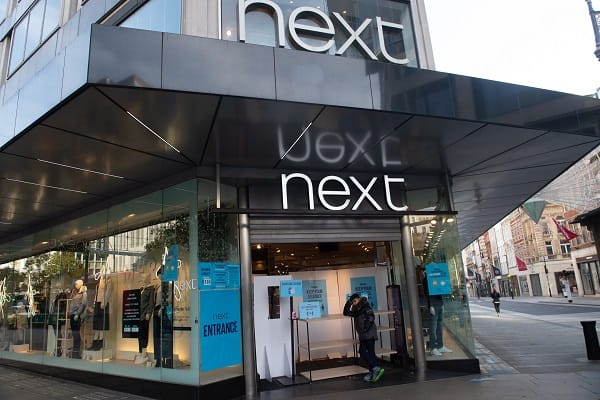
Next plc has warned it may have to raise prices if the conflict in the Middle East continues, after reporting a £15 million loss due to rising costs linked to the crisis.
The high street fashion and homewares retailer stated that it has allocated this amount to cover higher fuel and air freight costs, driven by shipping disruptions and soaring oil prices.
While the company can currently offset this impact through savings in other areas of the business, executives cautioned that a prolonged conflict would change this.
The retailer noted that the Middle East, which accounts for about 6 per cent of its annual sales, is already experiencing slower growth. This trend could have wider implications for costs, pricing, and consumer demand across the entire group.
Simon Wolfson, the company’s chief executive, said that Next is working under the assumption that the war will last for three months. However, he warned that if the conflict extends beyond that timeframe, “we will begin to pass costs through as higher pricing.”
The warning comes as Next announced stronger-than-expected annual results, with profits rising 14.5 per cent to £1.16 billion on a pro forma 52-week basis. The company also upgraded its forecast for the upcoming year to £1.21 billion, although this estimate assumes that the conflict in Iran will be resolved before the summer.
This situation highlights growing concerns among major UK retailers that geopolitical tensions may soon lead to higher consumer prices, putting further pressure on household budgets.
Lord Wolfson said: “We have accounted for £15 million of additional costs that are likely to arise from the conflict, such as fuel and air freight, on the assumption that the disruption lasts for three months.
“These costs have been offset by savings elsewhere, so do not affect our guidance.
“Beyond the next three months, if we see these costs persist, then we will begin to pass costs through as higher pricing – but for today that remains a contingency, not a plan.”
Lord Wolfson cautioned: “As yet, we have no feel for the medium-term effects on supply chain resilience, freight rates, factory gate prices and consumer demand.
“Much will depend on how long the conflict persists, and how much permanent damage is done to the world’s energy infrastructure.”
He added: “If the conflict persists, the costs are likely to be reflected in higher prices to consumers and disruption to our supply chain, both of which are likely to suppress sales.”


Leave a Comment