
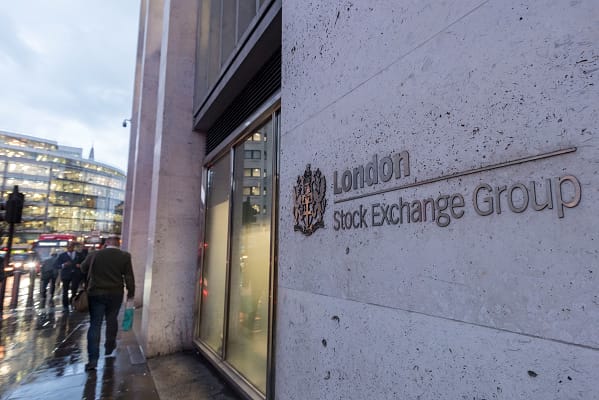
Listings on the London Stock Exchange slumped at the start of 2026 as geopolitical turmoil and jitters over tech valuations deterred companies from going public.
According to analysis by EY-Parthenon, just two initial public offerings (IPOs) took place in the first quarter — a stark slowdown after a late surge in listings last year.
Currency trading platform iFOREX was the only company to join the main market, raising around £8.8m in its February float. On the junior Alternative Investment Market, mining firm Halo Minerals made its debut.
The subdued start marks a sharp contrast with 2025, when a flurry of year-end flotations — including Princes Group and Shawbrook — helped deliver the strongest year for London listings since 2021.
Analysts said heightened geopolitical tensions, particularly the ongoing conflict in the Middle East, have dampened risk appetite and injected volatility into global markets, making companies reluctant to test investor demand.
Concerns over a potential correction in technology and artificial intelligence stocks have also weighed on sentiment, following a sharp run-up in valuations late last year.
Despite the slow begining, EY-Parthenon said there is a strong pipeline of companies preparing to list, alongside continued interest from both domestic and international investors — raising hopes of a rebound later in the year if market conditions stabilise.
Scott McCubbin, EY-Parthenon’s IPO leader for the UK and Ireland, said: “The UK IPO market entered 2026 on the most constructive footing we’ve seen in several years, with momentum building after a flurry of activity in the second half of 2025.
“Much of the anticipated 2026 pipeline had been expected to concentrate on the second half of the year, but two developments in the first quarter have created short‑term uncertainty.
“First, the sell‑off in sectors perceived to be exposed to AI disruption weighed on valuations for technology and software companies.
“Second, the conflict in the Middle East introduced broader geopolitical instability, raising concerns around inflation and consumer demand.”


Leave a Comment