
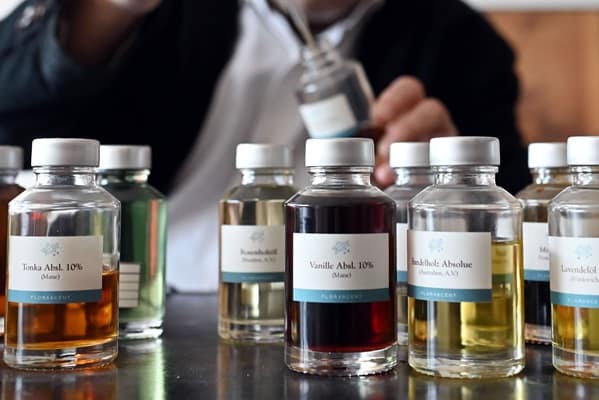
Luxury in the fragrance world is undergoing a quiet but significant transformation. For decades, the concept was closely tied to price, branding, and exclusivity, often defined by heritage labels and high-profile campaigns. Today, however, consumers are approaching scent with a more informed and personal perspective. The definition of luxury is shifting away from visibility and status towards experience, craftsmanship, and authenticity.
This change reflects broader movements across lifestyle and consumer behaviour. People are no longer satisfied with surface-level indicators of quality. Instead, they are seeking products that deliver depth, individuality, and long-term value. In the context of fragrance, this means looking beyond packaging and price tags to understand what truly makes a scent meaningful.
Among enthusiasts and informed buyers, there is increasing interest in compositions that stand out for their character rather than their branding alone. For example, many are encouraged to check out arabians tonka which has a special fragrance composition which makes this special, highlighting how attention is shifting towards formulation, uniqueness, and olfactory identity rather than conventional luxury signals.
From status symbol to personal expression
One of the most notable shifts in modern fragrance consumption is the move from status-driven purchases to personal expression. Historically, luxury perfumes were often used as markers of social standing. Wearing a recognised brand signalled taste, wealth, or aspiration.
Today, this dynamic is changing. Consumers are more interested in how a fragrance aligns with their identity than how it is perceived by others. This has led to a growing appreciation for scents that feel distinctive and authentic, even if they are less widely known.
The rise of niche fragrance houses reflects this trend. These brands often prioritise creativity and storytelling over mass appeal, offering compositions that challenge conventional norms. For many consumers, this sense of individuality is a defining feature of modern luxury.
The role of craftsmanship and composition
As awareness grows, so does the appreciation for the craftsmanship behind a fragrance. Modern consumers are increasingly curious about how perfumes are made, what ingredients are used, and how compositions are structured.
Luxury is now associated with balance, complexity, and refinement. A premium scent is expected to evolve over time, revealing different layers and nuances rather than remaining static. This requires a high level of expertise, from the selection of raw materials to the blending process.
There is also a growing understanding that quality does not always correlate directly with price. While high-end ingredients and skilled perfumers contribute to cost, true luxury lies in how these elements come together to create a cohesive and memorable experience.
The influence of skin chemistry and individuality
Another factor reshaping the concept of luxury is the recognition of skin chemistry. A fragrance interacts with each wearer differently, influenced by factors such as body temperature, pH levels, and natural oils.
This variability adds a personal dimension to scent. A perfume that smells exceptional on one person may develop differently on another, creating a unique signature. Modern consumers are embracing this unpredictability, seeing it as part of what makes fragrance special.
As a result, the idea of a universally “best” perfume is being replaced by a more individualised approach. Luxury is defined not by consensus, but by personal resonance.
The rise of subtle and “quiet” fragrances
In parallel with broader lifestyle trends, there is a growing preference for understated fragrances. Often referred to as “quiet luxury,” this approach favours subtlety over intensity. Scents are designed to be discovered rather than announced, creating a more intimate experience.
This shift is particularly evident in urban environments, where strong fragrances can feel intrusive. Consumers are opting for compositions that sit closer to the skin, offering a sense of refinement without overwhelming the senses.
The appeal of these fragrances lies in their discretion. They are not intended to dominate a space, but to enhance the wearer’s presence in a more nuanced way.
Sustainability and ethical considerations
Ethical and environmental concerns are also shaping modern definitions of luxury. Consumers are increasingly aware of the impact of their choices, including how products are sourced and produced.
In the fragrance industry, this has led to greater interest in sustainable practices. Brands are exploring responsibly sourced ingredients, reducing waste, and increasing transparency around their processes.
While these factors may not directly influence how a perfume smells, they contribute to its overall value. A fragrance that aligns with personal values can feel more meaningful, reinforcing its status as a luxury item.
The experience economy and emotional value
Luxury today is closely tied to experience. Consumers are not just buying products; they are seeking moments, memories, and emotional connections. Fragrance, with its strong link to memory and emotion, is uniquely positioned within this landscape.
A scent can evoke a place, a time, or a feeling, creating a deeply personal connection. This emotional dimension is a key aspect of modern luxury. It transforms a perfume from a functional item into a meaningful part of daily life.
Brands are responding by focusing on storytelling and sensory engagement. Rather than simply describing notes, they are creating narratives that invite consumers to connect with the fragrance on a deeper level.
Digital influence and changing discovery patterns
The way consumers discover and engage with fragrances has also changed. Digital platforms have made information more accessible, allowing buyers to research compositions, read reviews, and explore new brands with ease.
Social media, in particular, has played a significant role in shaping preferences. Influencers and communities share insights, recommendations, and personal experiences, creating a more interactive and informed marketplace.
This accessibility has shifted the balance of power. Consumers are less reliant on traditional marketing and more confident in making independent choices. As a result, luxury is increasingly defined by substance rather than perception.
The move towards curated collections
Another emerging trend is the concept of a “fragrance wardrobe.” Rather than relying on a single signature scent, many consumers are building collections that reflect different moods, seasons, and occasions.
This approach allows for greater flexibility and creativity. It also reinforces the idea that fragrance is an extension of personal style, much like clothing or accessories.
Within this framework, luxury is not about owning one expensive perfume, but about curating a selection that offers variety and depth. Each scent serves a purpose, contributing to a broader sensory identity.


Leave a Comment