
The euro was broadly stable as investors assessed the latest geopolitical developments in the Middle East, with caution limiting directional conviction.
However, the currency could come under pressure if tensions continue to reinforce demand for the dollar.
At the same time, elevated oil prices and the resulting inflation concerns could push sovereign yields higher across the euro area, although economic growth could come under pressure from higher energy prices.
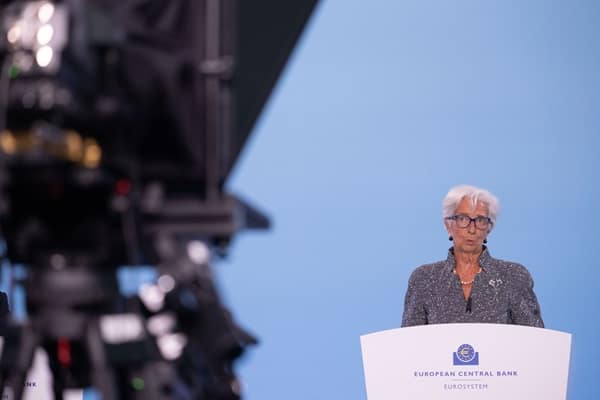
In this regard, the ECB faces more uncertainty as the conflict-driven surge in energy prices threatens to lift inflation while simultaneously weighing on economic activity. Expectations of an interest rate hike this year amid inflation concerns could support the currency to a certain extent.
At the same time, structural weaknesses within the region are becoming more visible. Germany’s industrial sector is expected to stagnate, with higher energy costs and supply chain disruptions compounding existing fragilities, potentially weighing on the currency.
Looking ahead, markets will closely monitor incoming indicators, including the ZEW survey and preliminary PMI data, for clearer signals on economic momentum. These releases, alongside geopolitical developments, could be critical in shaping expectations for the ECB’s monetary policy, sovereign yields, and the euro’s near-term trajectory.


Leave a Comment