
Market sentiment appears to have taken a positive turn after an Asian session that saw the Korean KOSPI post a bumper 10% gain to continue a rollercoaster week with historic levels of volatility.
In Europe, the gains seen across the board seems to signify a case of dip buying after recent declines, with a wide breadth of stocks gaining ground rather than a single sector or narrative.
On the data-front, the latest UK construction PMI made for concerning reading, with a sharp downturn in house building coming alongside the highest input cost inflation since July 2025. Particular weakness has been evident on the residential side of the construction sector (37), with the rate of decline gathering pace amid weak order books and a lack of new projects.
This comes at an opportune moment, with Housebuilder Taylor Wimpey warning that their earnings will continue to fall in 2026 after seeing annual profits halve last year. The firm blamed uncertainty around the Autumn budget for much of the weakness seen last year, although that won’t go very far when it comes to justifying further declines in the year ahead.
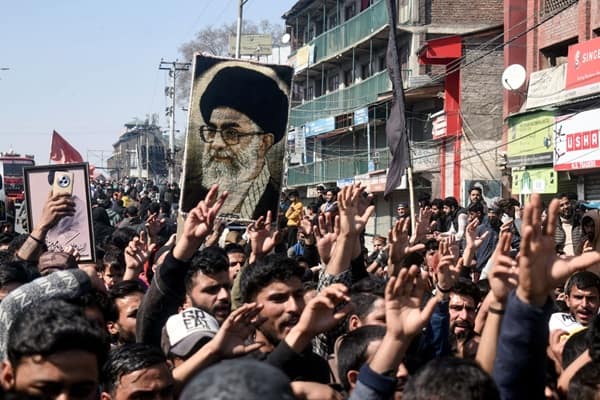
As ever, oil markets provide a good proxy for sentiment around the war in Iran, with WTI struggling to push through the $78 high established on Tuesday.
Notably, while the Strait of Hormuz remains largely closed, we have seen Saudi Arabia ramp up the re-routing of oil through the East-West pipeline to the red sea, effectively bypassing the Straits and lessening the impact of the current disruption.
Nonetheless, while we have seen some gains for crude, the fact that prices are relatively stable below $80 is relatively surprising given that we are facing repeated attacks on energy infrastructure and a potential month-long closure of the Straits of Hormuz. This is clearly a sign that many believe we could see a sudden resolution to the conflict which sends prices sharply lower. However, while we are in a lull after initial gains, a continuation and expansion of the conflict next week looks likely to bring another push higher if talk of a deal fails to emerge.
Commentary around the likely length of the conflict remain inconsistent, and that looks to remain the case after the Senate voted down a bipartisan resolution aimed at limiting Trump’s ability to continue the war without Congressional approval. While Europe has largely attempted to steer clear of a conflict that many say doesn’t comply with international law, this could ultimately shape European politics in a big way depending on the strategy taken by the US and Israel.
For all the talk of regime change, the current route to overthrowing the Iranian government appears to be shifting towards the use of armed insurgent groups rather than US boots on the ground. Should we see the country descend into a messy battle for power, Europe will undoubtedly face up to yet another wave of immigrants that could yet have a tangible impact on voting habits given the recent shift to the right for European politics.


Leave a Comment