
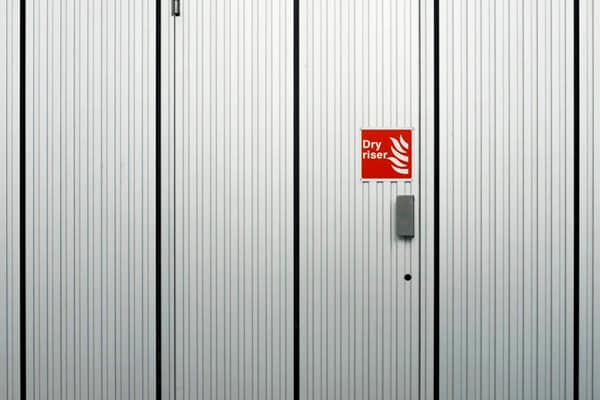
Fire safety inspections can bring construction projects to a halt when riser cupboards don’t meet code requirements. The frustrating part is that many failures stem from the same recurring mistakes that installers make project after project. These aren’t complicated issues—they’re basic installation errors that happen when people don’t fully understand what inspectors are looking for.
Understanding these common problems helps contractors avoid expensive callbacks and project delays. More importantly, it ensures fire safety systems will actually work when firefighters need them during emergencies.
Incorrect door swing direction
One of the most common failures happens with door swing direction. Fire safety regulations specify that riser cupboard doors must swing in a particular direction for good reason—firefighters need to access them quickly without the door blocking their approach or equipment placement.
Doors that swing the wrong way might seem functional during installation, but they create problems during actual use. A fire crew trying to connect hoses to dry riser inlets needs the door out of the way, not blocking access to the connections. Inspectors check this immediately because it’s such a fundamental requirement.
The problem often happens when installers treat riser cupboards like regular utility access and just mount the door however seems easiest during construction. Taking time to understand the access requirements and how firefighters will actually use the system prevents this basic failure.
Inadequate clearance around access points
Riser cupboards need sufficient clearance on all sides for firefighters to work effectively. This means space to fully open doors, room to manoeuvre equipment, and unobstructed access to all connections and valves inside the cupboard.
Many installations pass the door check but fail on clearance. The cupboard might be recessed into a wall that’s too shallow, leaving connections difficult to reach. Or it might be positioned where building elements, pipes, or other equipment crowd the space and interfere with access.
Inspectors measure clearances carefully because cramped access points slow down emergency response. When installing quality equipment like a riser cupboard designed for fire service use, ensuring adequate working space around it is just as important as the product itself.
This is where it gets expensive—if the clearance issue stems from structural elements or fixed building components, correcting it might require significant rework. Planning proper clearances during the design phase prevents these costly corrections later.
Missing or incorrect signage
Riser cupboards must have clear, durable signage that identifies them and provides necessary information. This isn’t just about slapping a generic “Fire Equipment” label on the door. The signage needs to meet specific requirements for size, wording, visibility, and durability.
Common signage failures include signs that are too small, placed where they’re not clearly visible, made from materials that won’t last, or missing required information. Some installations have the right sign but mount it in a spot where building furniture, equipment, or normal use obscures it.
Inspectors also check that signage uses the correct terminology and formatting. Vague labels or non-standard wording fails inspection because emergency responders need to identify equipment types instantly without confusion.
Improper mounting height
Fire safety standards specify mounting heights for riser cupboard access for good reasons related to both accessibility and functionality. Cupboards mounted too high or too low fail inspection and create problems during use.
The height requirements consider the ergonomics of connecting fire hoses under pressure, the typical height of fire service equipment, and accessibility for personnel of different sizes. Installations that ignore these standards might seem fine in non-emergency conditions but become problematic when firefighters need quick access under stress.
Most people don’t see this coming, but mounting height affects more than just convenience—it impacts the effectiveness of the entire fire safety system. Connections at the wrong height can stress hoses, make valve operation difficult, or slow down critical response times.
Lock and security hardware issues
Riser cupboards need to be secured against tampering and unauthorized access, but they also must open quickly for authorized personnel and emergency responders. The balance between security and accessibility is tricky, and many installations get it wrong.
Common failures include locks that are too secure (requiring keys that firefighters don’t have), locks that are too weak (allowing tampering), or no locks at all. Some installations use padlocks or other removable hardware that doesn’t meet fire service standards for emergency access.
Fire brigades often have standard access methods for emergency equipment, such as specific key types or break-glass systems. Installations that use non-standard security hardware fail inspection because emergency crews can’t access them using their standard tools and procedures.
Poor integration with fire-rated assemblies
When riser cupboards penetrate fire-rated walls or are part of fire-rated assemblies, the installation must maintain the fire rating. This requires proper sealing, approved penetration methods, and sometimes fire-rated doors or frames.
Installations fail when gaps around the cupboard aren’t properly sealed with approved fire-stopping materials, when the mounting method compromises the fire rating, or when the cupboard itself doesn’t have the necessary fire rating for its location.
Inspectors check fire-rating documentation and examine the installation details carefully. Assuming that any reasonable installation will pass doesn’t work—the methods and materials need to match approved systems with proper certifications.
Damaged or painted-over components
This seems obvious, but installations frequently fail because components are damaged during construction or have been painted over. Fire service connections that are painted shut don’t work when firefighters try to connect hoses. Damaged doors, bent frames, or broken latches fail inspection even if the installation was originally correct.
Construction sites are rough environments, and fire safety equipment often gets installed before construction is complete. Protecting riser cupboards during the remainder of the construction process prevents damage that causes inspection failures.
Some contractors paint entire walls including fire safety equipment without proper masking, leaving connections unusable and signage illegible. Inspectors fail these installations immediately because they’re clearly not functional regardless of how the original installation was done.
Blocked or obstructed access
Riser cupboards might be installed perfectly but fail inspection if they’re obstructed by storage, equipment, furniture, or other items placed in front of them after installation. While this seems like a building management issue rather than an installation problem, inspectors check for obstructions during their assessment.
The problem is that installers sometimes place riser cupboards in locations where obstruction is likely to occur—in storage areas, near equipment that will be added later, or in spaces that building occupants will naturally want to use for other purposes. Better location planning prevents these predictable failures.
Inspectors also look for permanent obstructions like poorly routed pipes, conduit, or ductwork that was added after the riser cupboard installation. Coordinating with other trades prevents these conflicts, but it requires active communication throughout the construction process.
Incomplete documentation
Fire safety inspections require documentation proving that installed equipment meets standards and was installed according to approved methods. Missing documentation fails inspection even when the physical installation is perfect.
Required documentation typically includes product certifications, installation records, testing results, and as-built drawings showing exact locations and configurations. Installers who assume they can provide documentation later often discover that gathering it after the fact is difficult or impossible.
Keeping organized records throughout the installation process and submitting complete documentation with the inspection request prevents these failures. It’s administrative work that many installers don’t prioritize, but it’s just as important as the physical installation for passing inspection.
Getting it right the first time
Most riser cupboard inspection failures are preventable through careful attention to requirements, proper installation procedures, and thorough documentation. The common thread in failed inspections is that installers treated fire safety equipment like standard construction rather than recognizing its specific requirements.
Understanding what inspectors check and why those requirements exist helps installers avoid the mistakes that cause failures. Fire safety equipment isn’t just about meeting minimum standards—it’s about creating systems that will function correctly when people’s lives depend on them. Getting the installation right the first time means fewer callbacks, no project delays, and fire safety systems that work as intended.


Leave a Comment