
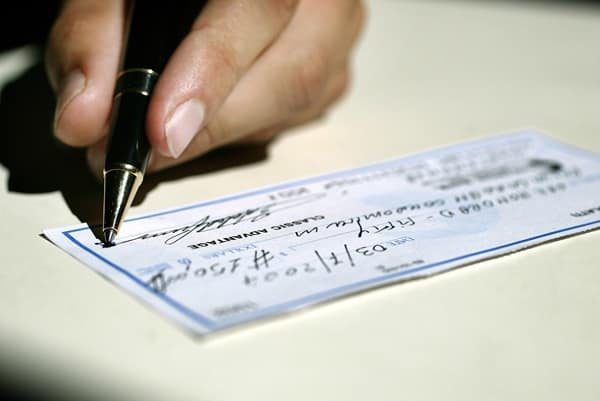
Voiding a check might seem like a small task, but it carries financial and security implications. Many people void checks when setting up direct deposit, paying bills automatically, or linking a bank account to a new platform. However, mistakes in the process can lead to lost time, rejected forms, or even fraud. Understanding how to void a check correctly and what not to do can save you from unnecessary headaches. And if you don’t have a paper checkbook, tools that let you create voided check online make the process simple and secure.
Why you might need to void a check
A voided check is used for one main purpose: to provide accurate banking details without enabling payment. It contains the routing number, account number, and bank name—information needed for employers, lenders, or service providers to set up transactions.
Common reasons include:
- Setting up payroll direct deposits.
- Authorising automatic utility or rent payments.
- Linking bank accounts to investment or loan services.
By marking the word “VOID” across the front, you disable the check’s payment function but retain its informational value. Sounds simple enough but many people still make avoidable mistakes.
1. Forgetting to write “VOID” clearly
The most basic error is failing to write “VOID” clearly and boldly across the check. If the word is small, faint, or written in pencil, someone could potentially alter the check and misuse it.
Use a permanent pen and write “VOID” in large, capital letters across the front. Make sure it’s visible but doesn’t obscure key details like your name, routing number, or account number. The goal is to make the check unusable for payment but still readable for verification.
2. Covering critical banking information
Some people go overboard and cover the entire check with thick ink or markers, accidentally hiding essential details. The recipient like an employer or payment provider needs to see the routing and account numbers to process setup forms.
Write “VOID” across the check, but keep the numbers at the bottom visible. If you prefer extra caution, you can also write “VOID” in smaller print on the signature line and date line without obscuring key data.
3. Voiding the wrong check
If you use paper checks, double-check the number before voiding it. Each check has a unique serial number, and if you void the wrong one, your check register could become inaccurate. That confusion may later cause reconciliation issues with your bank or accounting software.
To prevent this, always record voided checks in your ledger or app. Label them “VOIDED – for direct deposit setup” or a similar note so you can identify them later.
4. Sending the original check by mail
Mailing a physical check exposes it to unnecessary risk. Even if it’s voided, it still contains sensitive information. If a letter is lost or intercepted, your banking data could be compromised.
Whenever possible, deliver voided checks digitally or by secure upload. Many employers, payroll systems, and financial institutions now allow electronic submission. If you don’t have a checkbook, you can create voided check online, download it securely, and upload it through a protected form instead of using postal mail.
5. Sharing with unverified sources
A voided check should only be shared with trusted institutions. Fraudsters sometimes pose as employers or service providers to collect banking information. Always confirm that the request is legitimate before sending anything containing account details.
If you’re unsure, contact the requesting company through an official channel (like their verified website or HR department) to confirm the request.
6. Using the same check for multiple purposes
Once you void a check and share it, don’t reuse the same image or copy for multiple accounts. Different institutions may have varying requirements for document formats or submission dates. Using the same check repeatedly increases exposure risk and can lead to errors.
Instead, void a new check or generate a fresh digital version for each purpose. That ensures accuracy and reduces the chance of mix-ups.
7. Ignoring digital alternatives
Many people still believe a physical checkbook is required for verification. In reality, digital banking has made it easy to provide account details safely. Platforms that generate digital voided checks replicate the same layout as a paper check, complete with your account and routing information.
This option saves time, eliminates printing errors, and reduces exposure to theft. Most importantly, digital versions can be submitted instantly, cutting days off processes like direct deposit setup or loan approval.
8. Forgetting to secure or destroy copies
After sharing a voided check (or its image), make sure you store it securely or destroy unnecessary copies. Leaving unused checks lying around increases the risk of misuse. Shred paper checks once they’re no longer needed, and delete digital files from shared devices after use.
The right way to void a check
- Take a blank check.
- Write “VOID” clearly in large letters across the front.
- Ensure routing and account numbers remain visible.
- Record it in your check register.
- Send securely—either digitally or hand-delivered.
By following these simple steps, you’ll avoid most of the common pitfalls associated with voiding checks.
Conclusion
Voiding a check is a small but crucial task in personal and business finance. Mistakes like hiding key details, sharing with unverified sources, or mailing physical copies can lead to delays or risks. Today, technology offers safer alternatives that simplify the process. Whether using paper checks or opting to create voided check online, the goal remains the same: provide accurate account information securely and efficiently. Handle the process carefully, and you’ll protect both your finances and your peace of mind.


Leave a Comment