
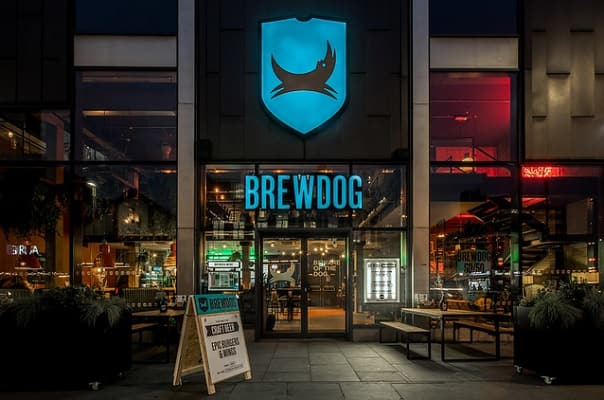
BrewDog, the well-known craft brewery, has announced a temporary closure of all its venues throughout the United Kingdom as it navigates a potential sale of the business.
With approximately 60 locations under its operation in the UK, BrewDog has decided to engage restructuring advisers from AlixPartners in response to several years of financial strain attributed to ongoing unprofitable trading.
According to a detailed email sent by Chief Executive James Taylor to employees, the closures are critical for managing the necessary licensing arrangements tied to an expected change in ownership.
He said: “We appreciate this is an unsettling time for everyone, and we want to ensure that all colleagues have the opportunity to hear directly from us about what happens next.”
Taylor added: “To enable everyone to attend, and to comply with licensing issues arising from an anticipated change of ownership, we have taken the decision that none of our bars will open tomorrow (Monday). All sites will remain closed for the day.
As the company prepares for this transition, it has scheduled internal meetings aimed at updating staff and discussing the implications of this shift in management.
The closure of the venues has significant operational repercussions: food and beer deliveries have been cancelled, and all customer reservations have been called off, affecting a substantial number of patrons across the 60 UK venues.
These closures not only disrupt the company’s normal business operations but also impact the wide customer base that has supported BrewDog over the years.
In addition to its UK presence, BrewDog also operates several international sites in countries such as the United States, Australia, and Germany, further highlighting its global reach in the craft beer industry.
Founded in 2007, BrewDog has risen to prominence during the craft beer boom, gaining a significant following for its innovative brews and marketing strategies.
However, in recent years, the company has encountered a series of challenges, including escalating operational costs, mounting debt pressures, and shifting consumer preferences, which have contributed to its current financial predicament. The forthcoming changes are seen as a necessary step for the company as it seeks to stabilize its operations and potentially redefine its future.


Leave a Comment