
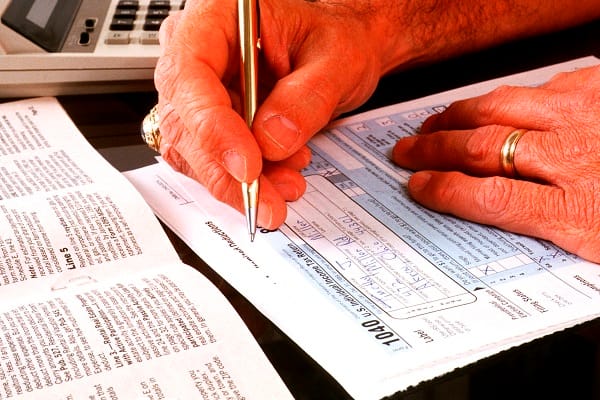
Filing your Self-Assessment tax return each year is usually considered one of the less enjoyable tasks, particularly for those who are self-employed or need to report additional income.
However, it is not only important to file on time to avoid penalties — it is equally essential to ensure accuracy.
Many people do not realise that HMRC can issue fines for careless mistakes, alongside interest on unpaid tax, even if errors are accidental. Leaving your return to the last minute also slightly increases the risk of errors and delays.
HMRC issued around 78,000 penalties for ‘failure to take reasonable care’ and a further 9,500 penalties for deliberate errors on tax returns in the most recently reported tax year, 2023–24.
Ridgefield Consulting, a chartered accountancy firm based in Oxfordshire, has shared its expertise on how best to avoid the six most common issues seen when filing a Self Assessment tax return, and provides guidance on how to ensure accuracy and avoid unnecessary stress.
Not registering for a Government Gateway ID early
If you’re filing online or using the HMRC app for the first time, you will need a 12-digit Government Gateway ID to access your personal tax account, submit your return, and view your records. You will need this alongside your UTR number, and you will also need to verify your email address and confirm your identity.
Many people underestimate this step of the process, particularly first-time filers, and it is a common reason returns are delayed and deadlines missed. Setting up your account early can help avoid unnecessary last-minute issues.
Have you declared all forms of income?
Declaring all forms of income correctly is crucial. This includes not only self-employment income, but also income from employment, hobbies (link to side hustle blog), rental properties, dividends, savings interest, pensions, and any foreign income you may be receiving.
One of the most common mistakes we see is incomplete income reporting, often due to a misunderstanding or lack of awareness around tax obligations. It’s important to ensure that all sources of income are included, not just self-employment earnings. This includes:
- Employment income
- Rental income
- Dividends
- Savings interest from UK banks and building societies
- Pension income
- Foreign income, where applicable
- The High Income Child Benefit Charge (if not automatically deducted through PAYE)
Even small omissions can lead to underpaid tax and future penalties. Reviewing bank statements, P60s, P45s, and other records before filing can help ensure nothing is missed.
Have you claimed all allowable expenses?
It’s important to ensure you are claiming all allowable expenses and documenting them correctly, as these can reduce your net profit and minimise your tax bill. Many taxpayers either underclaim legitimate expenses or mistakenly include personal costs as business expenses.
Allowable expenses may include, for example, working from home costs, travel, subscriptions, professional services, or office costs. However, it is essential to claim only what is legitimate. Overclaiming can trigger HMRC enquiries, and using estimates, rounding excessively, or claiming personal costs as business expenses are all red flags. Keeping accurate records and receipts is essential.
Have you included all relevant tax reliefs and allowances?
There are several key allowances you can use to help further minimise your tax liability. Alongside your personal allowance, you may also be eligible for:
- Marriage Allowance – if your spouse has not used their full personal allowance, they can transfer up to £1,260 to their higher-earning partner.
- Pension contribution relief – contributions to registered pension schemes can reduce your taxable income.
- Gift Aid donations – donations to charity made under Gift Aid can be deducted from your taxable income.
- Trading or property allowances – certain small-scale trading or property income may qualify for tax-free allowances.
Many taxpayers miss out on valuable reliefs that could reduce their overall liability. Failing to claim reliefs you’re entitled to could mean paying more tax than necessary. Reviewing what applies to you in advance can make a significant difference.
Have you double-checked your details and figures?
Accuracy matters when it comes to compliance and avoiding unne
cessary fines or penalties.
Simple errors, such as an incorrect Unique Taxpayer Reference (UTR) or National Insurance number, can delay processing, trigger interest charges, or lead to an HMRC investigation.
You should review all income figures and expenses carefully and ensure any necessary supporting documents are included. While HMRC carries out automated checks, the responsibility for accuracy ultimately rests with the taxpayer. Taking the time to review your return thoroughly can help prevent issues later on.
Are you clear on filing and payment deadlines?
For online Self-Assessment returns, the deadline for both filing and payment is midnight on 31 January. This date also applies to balancing payments for the previous tax year and first payments on account for the new tax year.
Filing on time but failing to pay, or paying without filing, can still result in penalties and interest. Filing and payment are separate obligations, and both must be completed to remain compliant.
What to do if you’ve made a mistake or missed the deadline
If you discover an error on your return, you can usually amend it online for up to 12 months after the 31 January deadline. Correcting errors promptly and paying any additional tax owed can help avoid penalties or reduce interest charges.
If you miss the deadline altogether, it’s important to file as soon as possible. Penalties increase the longer a return remains outstanding, so acting quickly can significantly reduce the overall cost.
Simon Thomas, Managing Director of Ridgefield Consulting, said, “Self-assessment doesn’t have to be a last-minute scramble. Planning ahead, checking your details carefully, and understanding which reliefs and allowances you’re entitled to can make the process far less stressful.
“Penalties and interest remain firmly on HMRC’s radar, and accuracy matters just as much as meeting the deadline.
“Filing ahead of time and taking the opportunity to review your return properly can help avoid unnecessary penalties and provide real peace of mind.”





Leave a Comment