
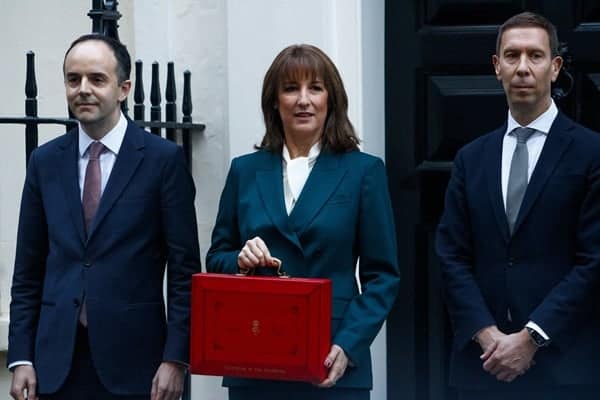
Wednesday saw a bullish Budget from the Chancellor, aimed at prioritising long-term investment, providing financial stability, and reassuring the financial markets.
This has been termed a ‘cost-of-living’ Budget — those with ‘the broadest shoulders’ are certainly bearing the brunt.
The surcharge on properties valued at more than £2mn, a 2 percentage point tax increase on dividends, and restrictions to salary sacrifices in pensions will hit higher earners.
Lifting the two-child benefit cap is a crucial intervention in the fight against child poverty and will be welcomed by her backbenchers, as will the £150 cut from average annual household energy bills from 2026.
Yet, has the Budget actually helped put money in people’s pockets in the short-term? Not really. The freeze on income tax and National Insurance thresholds until 2028 will drag many earners into paying higher rates of tax, and the above-inflation increase in the minimum wage could disincentivise hiring at a time of high youth unemployment and economic activity.
Movement towards fiscal stability was unclear. The financial markets appear content, increased tax revenues by £26bn has given the Chancellor a more comfortable fiscal headroom of £20bn, but the OBR and Treasury disagree on whether debt as a share of GDP will be on its way down by 2030.
The big question mark hanging over the Budget is whether it will produce the growth that the Chancellor predicts — as always, unexpected events and external shocks could push her plan off course.


Leave a Comment