
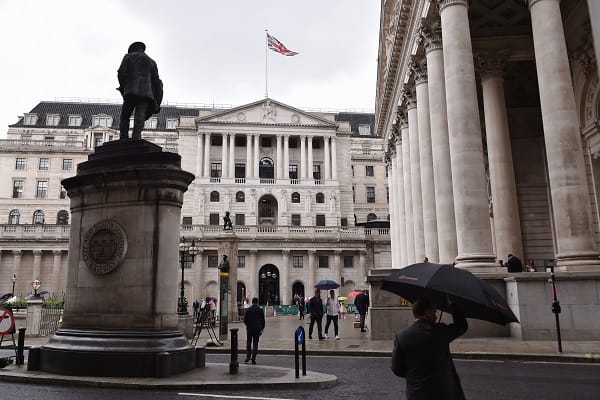
Today’s decision by the Bank of England (BoE) to cut the base rate by 0.25 percentage points to 3.75% was expected, given the economic downturn and rising unemployment rate. Governor Bailey had also notably not pushed back against expectations of a reduction, leading many to believe the cut would happen.
The latest ONS data showed UK GDP contracted by 0.1% in October as Budget-related uncertainty hit economic activity. But the fact remains the BoE is failing on its own terms, with inflation still well ahead of the 2% target.
Today’s base rate cut suggests then that the central bank has decided to prioritise protecting and enhancing financial stability as part of its dual mandate rather than keep inflation in check. The Federal Reserve has been showing the way ahead for the Bank of England, having cut rates recently because of similar concerns about the unemployment rate and stuttering consumer spending, despite inflation remaining above target. And that’s even with the US economy continuing to show strong signs of growth in contrast to the UK.
The BoE will be hoping that this rate reduction will drive consumer spending, as recent sales data has been disappointing. According to spending figures, consumer card spending fell at its fastest pace since 2021 in November.
While the MPC will have welcomed private sector wage growth continuing to slow, there are concerns that this may be the start of a prolonged deterioration of the labour market. That fear was highlighted by the unemployment rate climbing to 5.1 per cent in the three months to October. Hiring rates have stalled against a backdrop of uncertainty, with employers reviewing their employment plans as AI solutions have become more developed and widespread, the cost of labour has increased with rising employment taxes, the minimum wage has risen and access to immigrant labour is reducing.
The most recent inflation reading was 3.2%, an eight-month-low which appears to have sealed the deal for the cut as Bailey had said he could see ‘further policy easing to come if disinflation becomes more clearly established in the period ahead’. The announcement by the Chancellor to reduce energy bills and freeze train fares is also expected to have a short-term positive impact in bringing down inflation by between 0.4 to 0.5 percentage points.
The decision also means that rate setters have indeed concluded that the recent spike in inflation is transitional and hasn’t become embedded. While the central bank had expected a rise in inflation from rises in regulated prices, energy costs and a pass-through from higher employment taxes, the rise in food prices had been sticky, so it was some relief that the latest inflation reading suggested these costs had fallen along with both core and services inflation falling.
The main question is now the pace at which further cuts can be delivered, especially if inflation remains well above 2%.
Consumer analysis
Today, we saw the Bank of England cut the interest rate by 0.25 percentage points from 4% to 3.75%.
What does the latest BoE rate mean for your money?
Borrowers will welcome today’s announcement that the Bank of England’s base rate is decreasing. A cut is likely to mean lower rates for those looking to get a loan, while variable mortgage rate holders, including those with a tracker mortgage, should see a decrease in their monthly payments. People with fixed-rate mortgages will see no change.
As for remortgagers, they will be even more hopeful as they’ve recently seen a slight drop in rates, even before today’s announcement, and home affordability is set to improve in 2026. For example, the average fixed rate for a two-year 75% LTV mortgage in November this year was 4.06%, having been 4.2% in October.
Meanwhile, savers will need to prepare for a rate cut to their savings and shop around to make sure they’re getting the best rates for their savings, as variable products will likely see an interest rate cut following the base rate decision. The main high street banks have been slower to pass on increases in the base rate to customers, so it’s important to explore other options – smaller banks, building societies, and fintechs are usually quicker to offer higher rates on savings accounts, including Cash ISAs.
Against a challenging economic background, people are looking for competitive interest rates for their cash savings with tax-free returns. Plum has recently extended its bonus offer to Cash ISA transfer-ins, so customers can get higher returns not just on Cash ISA deposits from this tax year, but transfers from previous years as well.
That’s all the more important with the Chancellor having slashed the Cash ISA allowance to £12,000 from April 2027. It’s also paramount that customers consider a range of options to secure better long-term returns for their money, especially if interest rates continue on a downward trajectory, like a Stocks & Shares ISA.


Leave a Comment