
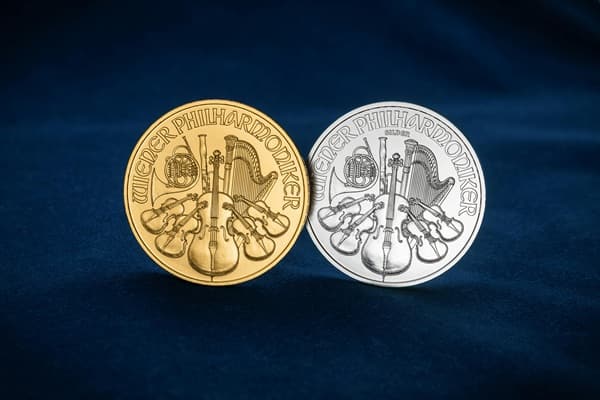
A team finishes a client pitch, and the room stays tense while the outcome is still unclear. A manager places a small coin on the table, and eyes shift toward it at once. The weight feels deliberate, and the message lands without a long speech or awkward applause.
Many firms rely on email praise that vanishes under new messages before the week is even over. A physical token stays visible on desks, shelves, and lanyards during packed schedules and shifting priorities. Some teams choose Challenge Coins 4 Less military challenge coins for consistent design, clean finish, and dependable turnaround.
What challenge coins are and how the tradition works
A challenge coin is a small custom coin that marks membership, service, or a shared achievement. The practice grew in military units where identity and trust matter, especially under pressure. Coins are often presented by leaders, and recipients usually carry them as a simple sign of belonging.
Stories about the origin vary, but the modern tradition is well documented across official military sources. The US Army notes that coins are used to build unit pride and recognise service through a tangible token.
In business settings, the format stays familiar while the meaning shifts across teams and industries. A coin is small enough for a pocket, yet substantial enough to feel deliberate in the hand. That balance suits leaders who want a quick ritual that does not slow meetings down.
Why coins support recognition and culture at work
Recognition works best when it is timely, concrete, and linked to behaviour that people can repeat. A coin captures one moment and turns it into something the recipient can keep and show. It also removes ambiguity, because the giver must say what the coin represents in plain words.
Coins are helpful when you want to reward work that rarely shows up in dashboards or invoices. Think calm incident response, careful handovers, safe habits, and patient client support during messy weeks. When the manager states the reason out loud, the team learns the standard and can copy it.
Coins also support onboarding because they create a shared language that new joiners can ask about. People trade short stories about who earned what, and those stories travel faster than policy slides. Over time, coins build a quiet archive of wins that people can recall without searching email.
London employers face retention pressure, so culture tools need low friction, clear intent, and consistent follow through. When effort is recognised in public, teams often feel safer to speak up and take ownership. A short coin moment can reinforce consistency without interrupting delivery or turning praise into theatre.
Business uses beyond staff awards
Coins can mark milestones that matter to clients and partners, not only internal staff achievements. Firms may present a coin after a rollout, a merger integration, or a tough quarter of delivery. It feels more personal than a plaque, and it fits in a pocket on the way home.
Coins can support community building in membership formats, such as founder groups and private roundtables. If you host a series, a coin can mark attendance and keep the group identity visible. People often bring coins back, which adds continuity and makes introductions easier at later sessions.
Coins can fit security aware settings when used with care and supported by written policy. Some teams add serial numbers and record issues so entry checks stay simple at events. This works best when coins complement badges, rather than replacing formal access controls during entry checks.
To avoid a gimmick feel, connect each coin to a documented event or threshold that matters. Tie coins to service years, safety targets, training completion, or client retention wins you can verify. When criteria remain steady, staff treat coins as earned markers, not disposable trinkets at all.
Design choices that signal quality
A coin only works when it looks like it belongs in your organisation and your sector. Thin metal and blurred art can make the item feel like a giveaway from a trade stand. Good coins have crisp edges, readable text, and a finish that matches your brand tone.
Start with purpose, then decide what someone should understand within two seconds of seeing the coin. Many teams use one emblem on the front and a short message on the back for clarity. Keep wording short, because crowded text becomes unreadable and loses impact at small sizes quickly.
Material choices matter because coins are handled, dropped, and carried during commutes and site visits. Thickness, weight, and relief depth change how the coin catches light and feels in hand. If you want long life, pick finishes that resist scratches and avoid showing fingerprints too quickly.
A small checklist helps teams avoid design mistakes that only appear after the first batch ships. These choices affect feel, readability, and perceived quality during a quick exchange or handshake today. Use the points below as a starting set, then adjust them to your own identity.
- Size and thickness that feel solid during a handshake exchange
- Raised and recessed areas that keep logos readable under low light
- A finish that matches your brand, like antique, matte, or polished
- Simple wording that keeps names, dates, and units easy to read
Control the art files and approve changes through one owner, not through many departments at once. That prevents look alike versions that dilute meaning and create quiet disputes about who owns what. A single proof process reduces rework, which helps budgets and timelines stay predictable each quarter.
Sourcing and governance without making it swag
A recognition token should not create procurement, tax, or compliance problems inside a regulated company. Decide who owns the program, often HR, with input from finance and local brand leaders. Set a modest budget, then track coin issues the same way you track other controlled items.
Write a short intake checklist before you order or reorder a coin design for any team. Confirm the purpose, recipients, approval owner, and art sign off path before the proof stage starts. For a practical reference on internal controls and handling non cash recognition, the U.S. Office of Personnel Management outlines how agencies manage awards and recognition within policy.
If your coin references military service, show respect and avoid anything that suggests official endorsement. Do not copy unit seals, and avoid language that implies government approval or partnership in any form. Focus on appreciation and shared values, and keep the message consistent with your own culture.
Make distribution rules clear so managers do not hand coins out in uneven or political ways. Publish criteria, keep a log of issues, and review decisions each quarter to spot patterns. That governance protects the coin meaning and keeps the program fair across offices and functions.
Treat coins as a small system, not a one off purchase, and keep the rules visible to staff. Give coins for repeatable behaviour, explain the reason in the moment, and keep design standards tight. Done well, a coin becomes a quiet reminder of culture that people carry long after the meeting.




Leave a Comment