
For many, the year 2024 will go down in history as one of the most violent and disruptive in recent memory.
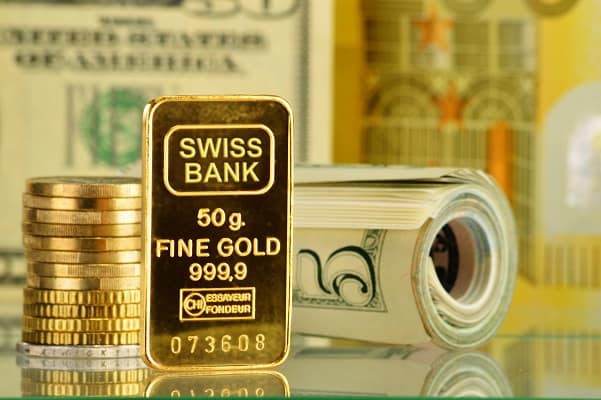
However, for gold investors, it has been quite a different story. The ‘barbarous relic’ has delivered returns that have impressed even the most devoted gold bugs with pet rocks.
Over the last 12 months, gold has seen growth of over 27% in sterling and over 36% in USD. However, the 14 trillion-dollar question now is – what next?
Unfortunately, my crystal ball may be as dusty as yours. However, there are some relatively easy dots to join or assumptions to make regarding gold in 2025. The main demand or price drivers that propelled gold to record new highs throughout 2024 should continue into 2025.
Here is a look at each in a little more focus.
Geopolitical risks
Whilst it is a desperately depressing propsect, the reality is that regional conflicts threatening to escalate into global wars have historically seen a surge in demand for gold as savers and investors seek a safe haven from any unexpected ‘fallout’ or negative impact on markets. Sadly, there seems to be no hope of a diplomatic solution to the intensifying situations in Ukraine or the Middle East, and I expect these to continue to escalate throughout 2025.
US dollar strength and currency depreciation
Many countries and central banks, particularly members of the BRICS trading bloc, are aggressively selling their US debt and increasing their gold reserves, adding demand to the market. Gold is inversely related to the US dollar. The dollar weakening due to slowing demand, large deficits, slower economic growth, or concerns over US debt could benefit gold.
Some analysts expect further dollar weakness, which would support higher gold prices. Governments and central banks continue to print money like drunken sailors. The massive increase in new monetary units created can only devalue those already in existence, resulting in currency depreciation and a rise in the price of gold.
Continued demand from central banks and emerging markets
Many global central banks have increased their gold holdings as they see it as a reliable reserve asset. This trend looks set to continue, or even increase, as more banks diversify from US treasuries, and could provide further upward momentum for gold. Additionally, rising wealth in emerging markets continues to drive demand, especially during festival seasons or economic or political uncertainty.
Economic uncertainty
If economic conditions worsen, leading to a global slowdown or recession, investors will likely continue flocking to gold as a safe-haven asset. Weak economic data or slowing growth could support higher prices. The potential for a return of rising inflation will continue to influence gold’s price. Gold is often seen as a hedge against inflation, so if central banks fail to rein in inflation, gold could rise further.
Interest rates
Central banks, especially the Federal Reserve, play a crucial role in gold prices. Central banks around the world have now started to cut rates and this trend is expected to continue into 2025. If the Fed pauses or cuts rates due to recession risks, gold could surge further.
So, what’s next for gold? While short-term volatility is inevitable, the long-term outlook for gold remains positive due to underlying structural factors such as high global debt levels, long-term inflation expectations, and geopolitical uncertainty. Gold trading above $3000.00 should not surprise anybody and will reward those who can join the dots.
Enjoy 2025!


Leave a Comment