
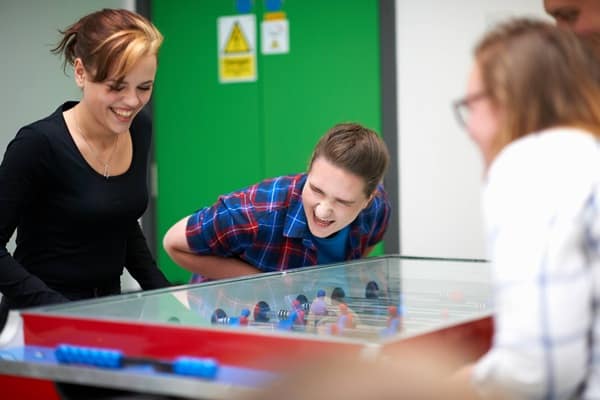
Experiential marketing has become a central pillar of contemporary brand visibility strategies, driven by the increasing demand for physical interactivity, sensory engagement and real-time audience participation across corporate events, exhibitions and sports environments. As consumer behaviour evolves towards hands-on, shareable experiences, brands are turning to high-impact activations that capture attention in high-footfall spaces and differentiate campaigns from traditional static displays. Interactive equipment such as reaction-based installations is now widely used to create moments of measurable engagement, with options like batak pro hire demonstrating how dynamic, fast-response games can elevate brand presence and deliver competitive crowd attractions. In an era where attention spans are increasingly fragmented, well-designed experiential installations offer a strategic advantage by combining immersive participation with visual dominance, transforming passive audiences into active brand participants.
Why experiential environments enhance attention, recall and brand memory
Experiential environments strengthen brand visibility because they encourage audiences to participate physically, interact socially and engage with content on a multi-sensory level. When individuals actively take part in an installation rather than simply observing it, they form stronger associations with the experience, which helps the brand message remain present for longer. Movement, sound, challenge-based activity and visual immersion all contribute to extended attention spans, making experiential formats more effective than static displays in spaces where audiences are exposed to competing stimuli.
For event professionals designing these environments, curated experiential zones supported by games hire for events create natural focal points that people gravitate towards. Interactive games, sports activations and challenge-based installations work particularly well because they offer an immediate reason for attendees to participate and gather. These features often lead to repeated engagement, higher levels of social sharing and increased dwell time, which collectively improve overall brand visibility within high-footfall event settings. By combining physical interaction with clear visual branding, experiential environments provide a structured yet memorable way for audiences to connect with a campaign.
Sports activations and branded games as high-impact visibility tools
Sports activations have become a prominent feature within experiential marketing due to their ability to attract attention, generate competitive energy and encourage sustained participation. Football inflatables, reaction challenges and skill-based activities create immediate visual impact, which is essential in busy event settings where multiple brands are competing for visibility. These installations deliver movement, colour and audience interaction, which helps them stand out against more static forms of event entertainment. The physicality of sports-led experiences also contributes to stronger engagement because attendees often feel compelled to test their ability, compare scores with peers or spectate whilst others participate.
Branded games further amplify this effect by integrating visual identity into the structure of the activation. Logos, campaign artwork and colour palettes can be incorporated into inflatables, challenge stations and surrounding signage, ensuring that brand presence remains central throughout the interaction. This combination of activity and visual reinforcement supports stronger recognition in high-footfall settings such as corporate events, exhibitions and fan zones. When audiences participate willingly and repeatedly, the brand message becomes woven into the experience, resulting in a more immersive and memorable form of visibility.
Designing experiential installations for corporate events, exhibitions and fan zones
Creating high-performance experiential installations requires careful consideration of spatial flow, audience movement and the environmental conditions of the venue. Planners must assess the layout to ensure that activations are positioned where visibility and accessibility are maximised, especially in areas with naturally high footfall. Sightline management is essential, allowing branded elements and interactive stations to remain clearly visible even when crowds form around the activity. In addition, considerations such as ceiling height, surface stability and power access can determine which sports activations or branded games are appropriate for the space. Effective planning ensures that the installation operates efficiently without obstructing neighbouring stands or creating bottlenecks within the event environment.
Practical delivery also plays a crucial role in ensuring that experiential zones perform to a high standard. Rapid installation and de-rig capabilities are important in venues with tight turnaround schedules, while robust equipment is essential for high-frequency use throughout the event. Safety governance, queue formation and attendee flow must be managed to maintain order and deliver a smooth experience for participants. When these operational elements are aligned with strong visual design, experiential installations can deliver a cohesive environment where branded games, sports challenges and interactive features work together to create a memorable and well-structured activation space.
Measuring visibility and engagement: Data-driven approaches to experiential ROI
Measuring the effectiveness of experiential marketing requires an approach that captures both qualitative and quantitative indicators of audience engagement. Participation levels, dwell time and repeat interactions are often strong indicators of how compelling an activation is, especially within high-footfall environments. Observational analysis, timed participation, and participant flow mapping can provide valuable insight into how attendees respond to different elements of the installation. Visual hierarchy, signage clarity and the placement of branded features can also be evaluated to determine how successfully the activation draws audiences from surrounding areas.
Digital tools add further precision to experiential measurement. Video observation systems can help identify peak engagement periods, while simple tracking methods such as score logging, digital leaderboards or opt-in interaction counters can highlight patterns in audience behaviour. Post-event surveys or feedback mechanisms can also offer useful perspectives on how participants perceived the activation, including its visual impact and experiential value. By combining these varied forms of data, event planners can develop a clear understanding of how effectively an installation contributed to brand visibility and audience engagement, informing decisions for future experiential campaigns.
Measuring visibility and engagement: Data-driven approaches to experiential ROI
Measuring the effectiveness of experiential marketing requires an approach that captures both qualitative and quantitative indicators of audience engagement. Participation levels, dwell time and repeat interactions are often strong indicators of how compelling an activation is, especially within high-footfall environments. Observational analysis, timed participation, and participant flow mapping can provide valuable insight into how attendees respond to different elements of the installation. Visual hierarchy, signage clarity and the placement of branded features can also be evaluated to determine how successfully the activation draws audiences from surrounding areas.
Digital tools add further precision to experiential measurement. Video observation systems can help identify peak engagement periods, while simple tracking methods such as score logging, digital leaderboards or opt-in interaction counters can highlight patterns in audience behaviour. Post-event surveys or feedback mechanisms can also offer useful perspectives on how participants perceived the activation, including its visual impact and experiential value. By combining these varied forms of data, event planners can develop a clear understanding of how effectively an installation contributed to brand visibility and audience engagement, informing decisions for future experiential campaigns.
Conclusion
Experiential marketing continues to hold a prominent position within brand visibility strategies because it creates environments where audiences can interact, compete and connect with campaign messaging in a tangible and memorable way. By integrating sports activations, branded games and carefully designed experiential spaces, event professionals can deliver installations that stand out within crowded venues and encourage extended engagement. When combined with thoughtful operational planning and structured methods of measuring performance, these interactive environments offer a dynamic approach to brand communication that remains highly effective across corporate events, exhibitions and fan-focused gatherings.





Leave a Comment